Affordable living in multi-storey timber buildings
Building for greater access to housing
Affordable housing is one of the key challenges of our time. In many cities, the demand for housing is growing, whilst land is becoming scarcer and requirements are increasing.
Multi-storey timber construction can make an important contribution here. Not as a ready-made solution, but as a construction method that enables more efficient planning, more precise building and a more targeted use of resources.
We do not view affordable housing as a standalone product. It emerges where planning, design and implementation are consistently considered as a unified whole. A high degree of prefabrication, clearly structured processes and close coordination between all parties involved lay the foundation for this.
This results in buildings that are economically viable whilst offering long-term quality.

Practical examples
Our projects demonstrate just how varied approaches to affordable housing can be. They are developed in different contexts and for different target groups, yet they all have one thing in common: a clear structure in planning and implementation.
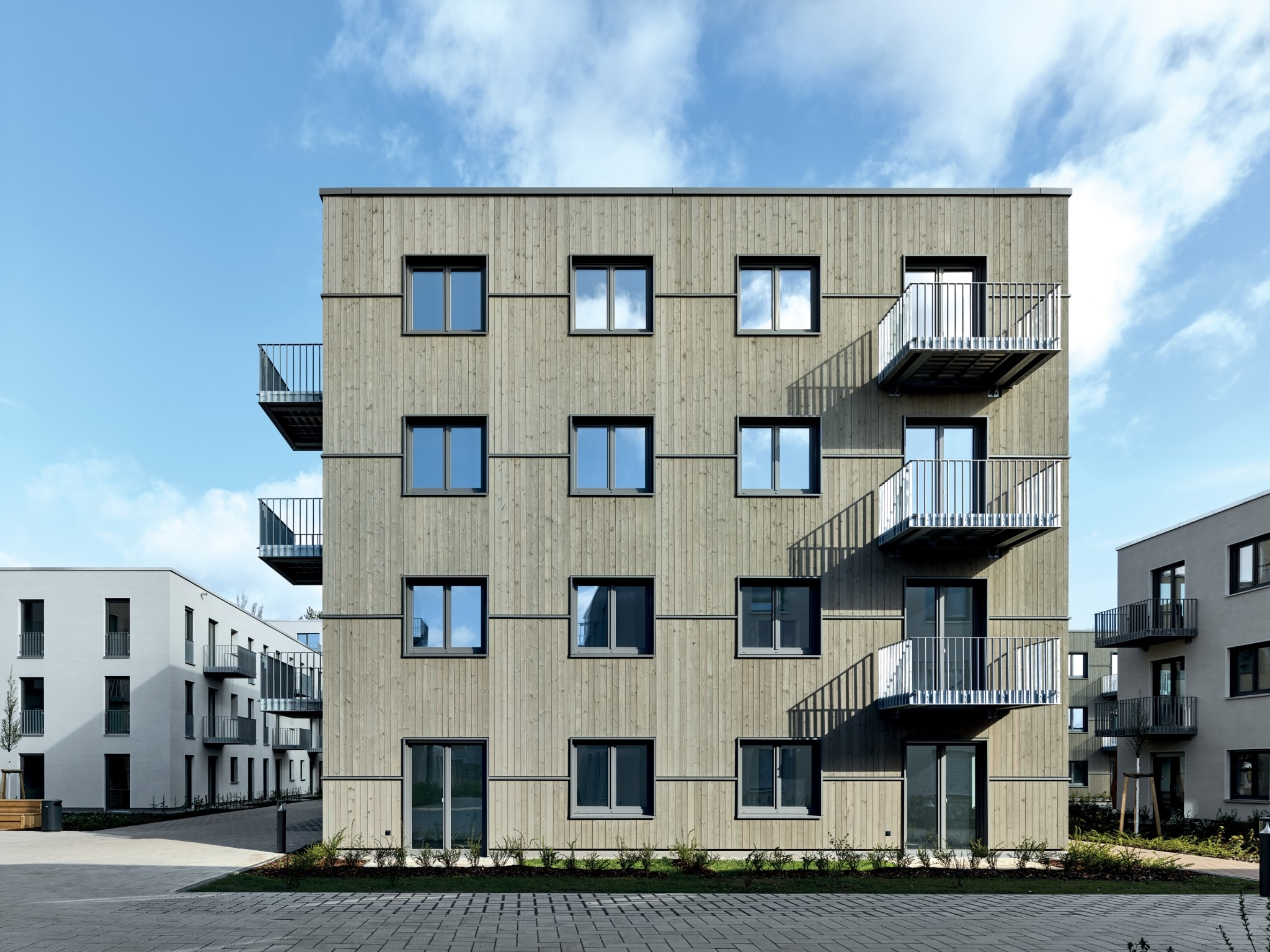
Variowohnen, Bochum
Flexible living space with a future
The Variowohnen housing complex in Bochum was developed as part of a funding programme aimed at creating affordable housing for different user groups.
The concept is based on flexible floor plans that can be adapted over the building’s lifetime. This means that student accommodation can be converted for other uses in the future, such as for the elderly or communal living arrangements.
The use of prefabricated external wall elements and clearly structured construction processes significantly reduced the construction time. The project demonstrates how flexibility, cost-effectiveness and sustainability can be meaningfully combined.

B.R.I.O., Vienna
Modular living in an urban context
In Vienna, B.R.I.O. is a housing project featuring subsidised flats that is based on a modular and socially mixed concept.
Different housing types are combined with communal facilities. This creates spaces for interaction and everyday life that go beyond mere living.
The high degree of prefabrication and the use of timber in the load-bearing structure help to reduce construction time and resource consumption. The project demonstrates how affordable housing can be achieved even in a densely built urban context.


Johannisgärten, Berlin
Large-scale residential development with clear processes
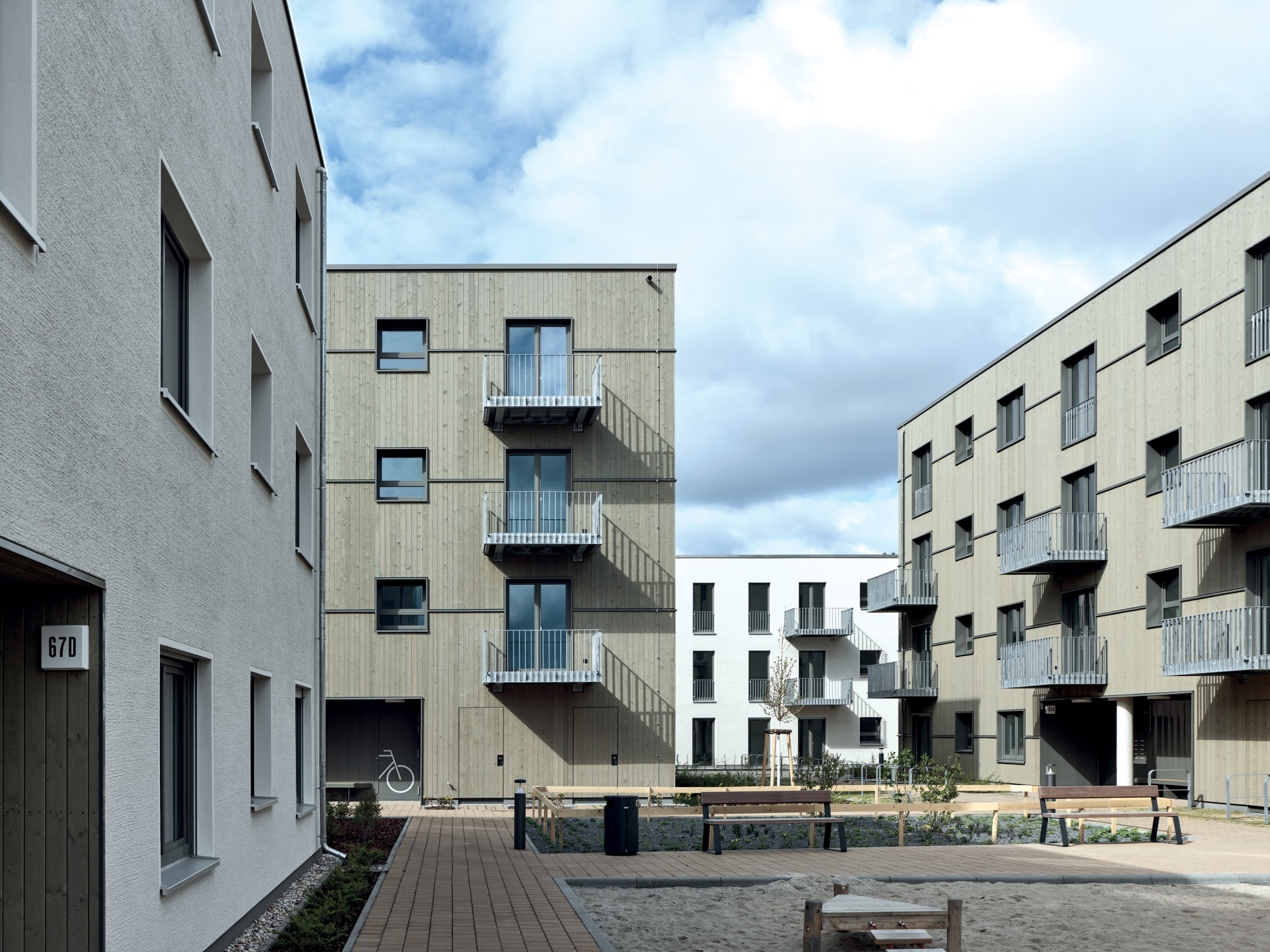
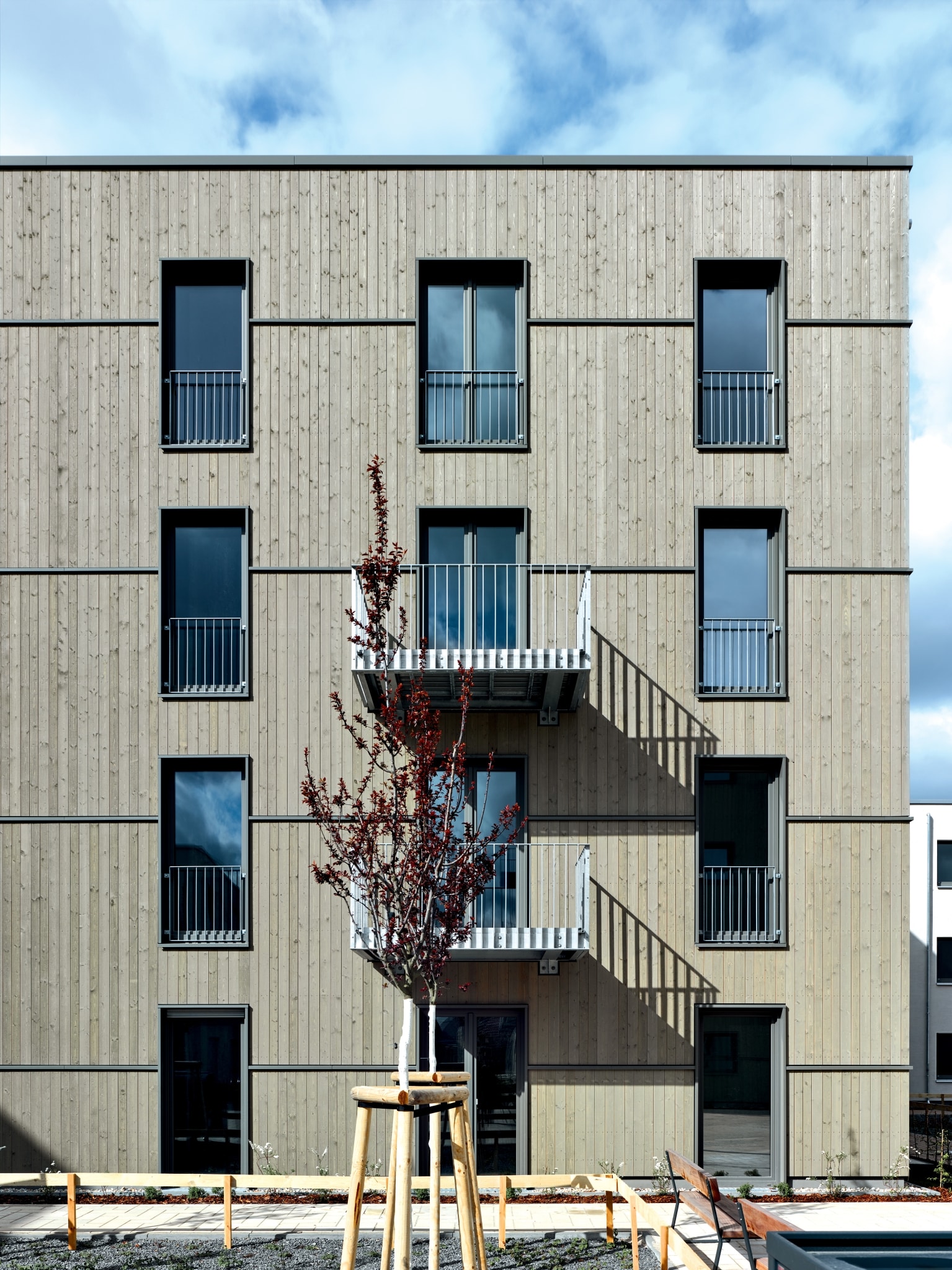
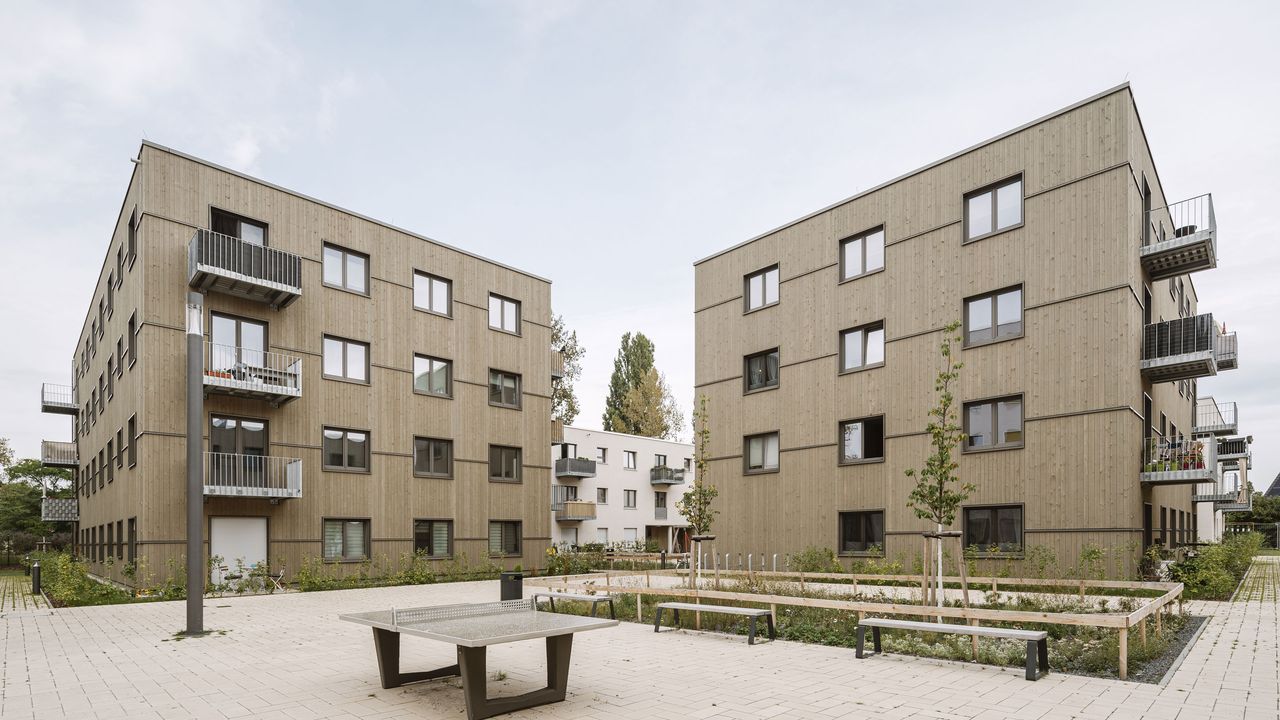
The Johannisgärten project has created a new neighbourhood in Berlin comprising around 300 flats and supporting infrastructure.
Prefabricated external wall elements enabled efficient construction execution and a high level of build quality.
The project demonstrates how affordable housing can be created even on a larger scale when planning and implementation are coordinated at an early stage.
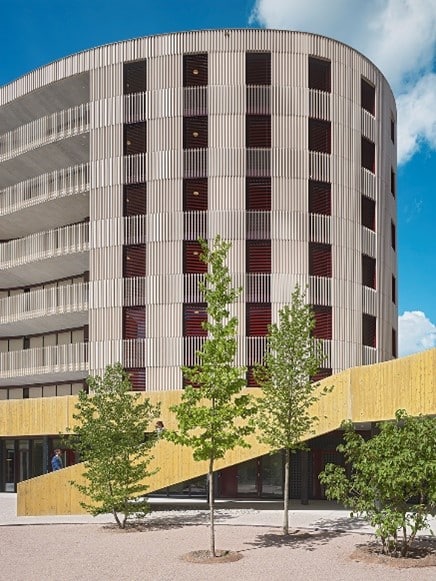
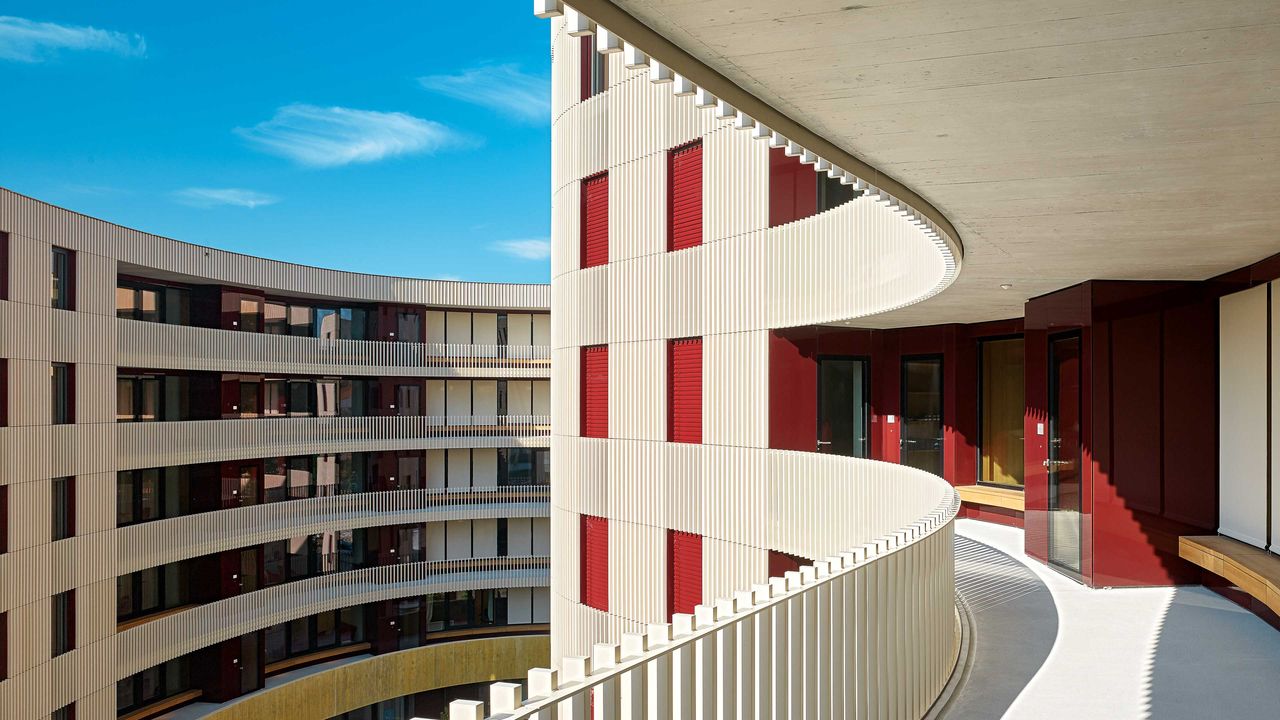
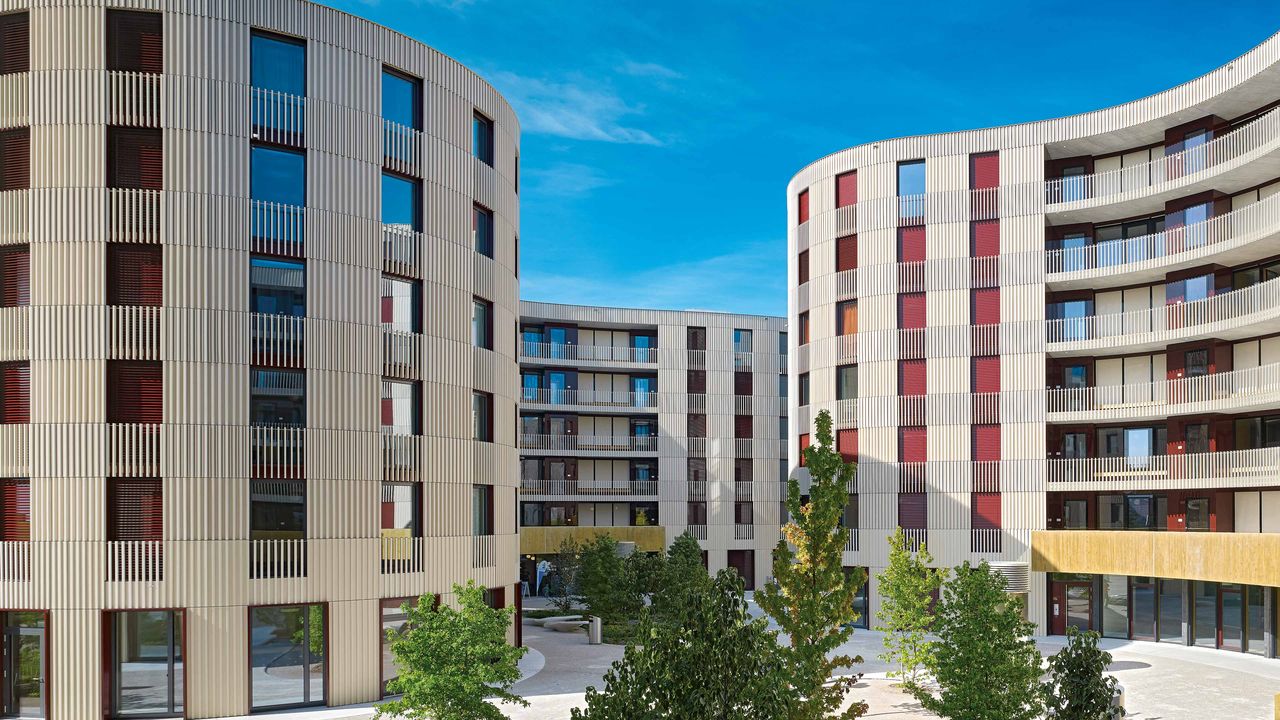
Student Village ETH, Zurich
Dense student accommodation
A hall of residence for several hundred students was built on the ETH Zurich campus, complemented by communal facilities and communal areas.
Despite high technical requirements and complex geometries, prefabrication enabled efficient construction.
The project demonstrates how high occupancy density, quality and cost-effectiveness can be combined in student accommodation.

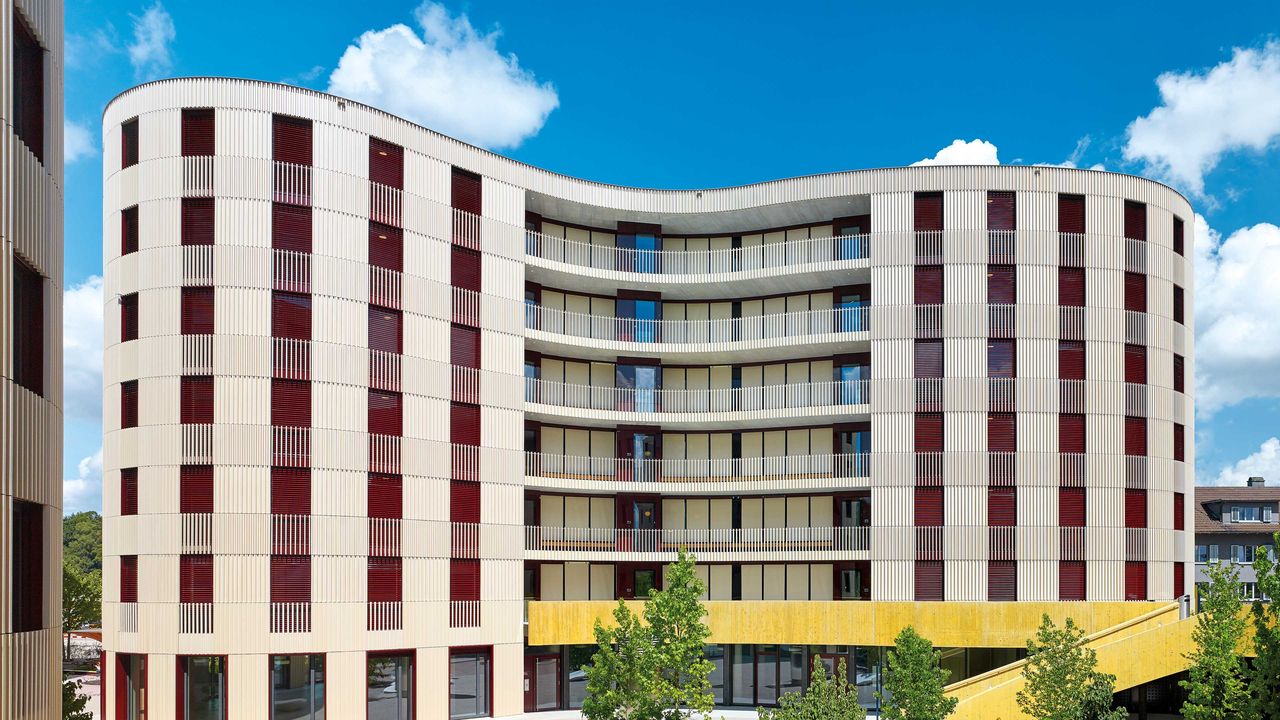
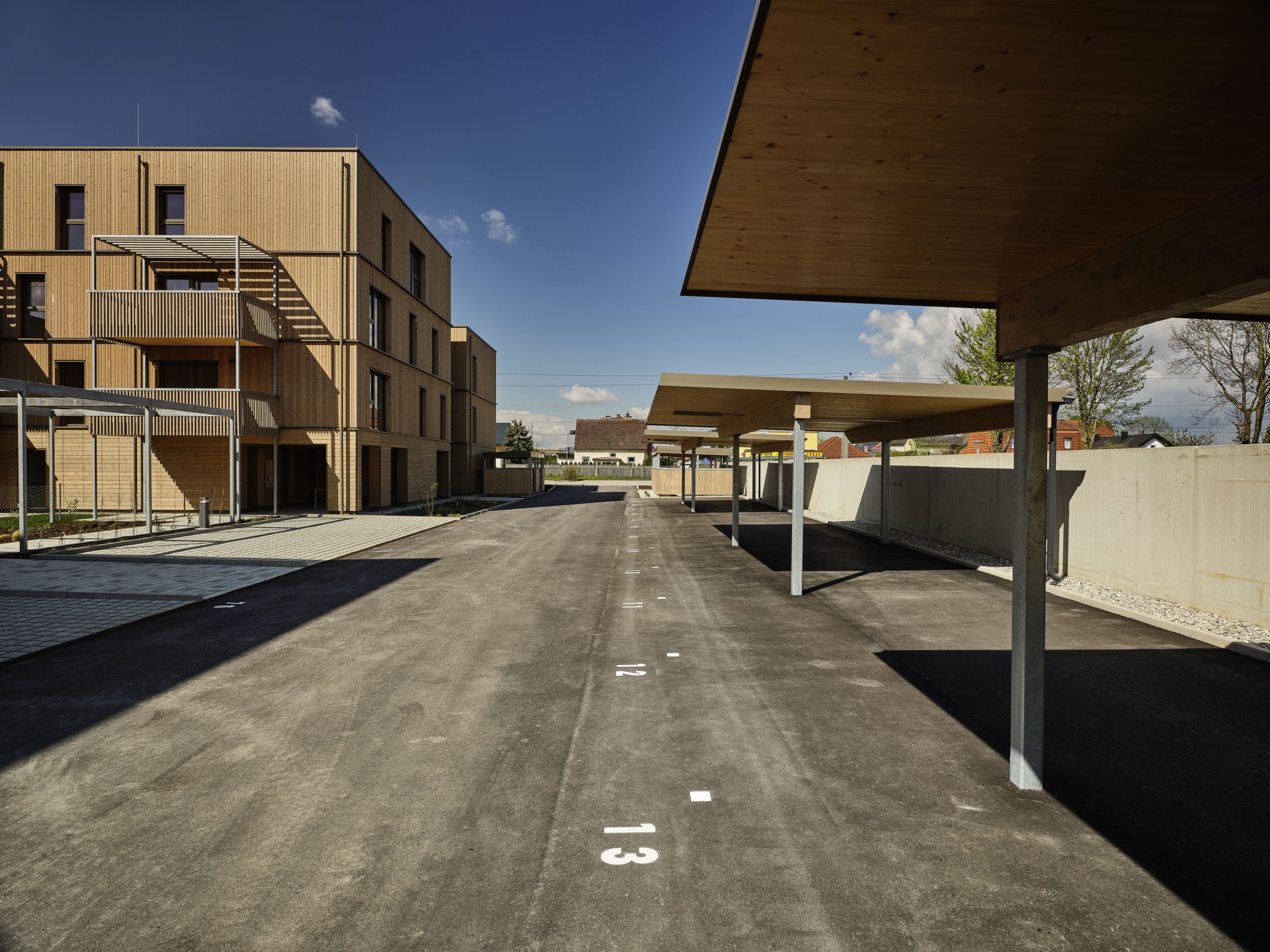
Ober Grafendorf residential complex
Subsidised housing in a regional context
A residential complex has been built in Ober Grafendorf that combines sustainable timber construction with an economical concept.
The combination of prefabricated building elements and clearly structured processes enabled efficient implementation. At the same time, the construction method offers flexibility for different usage requirements.
The project demonstrates how high-quality, affordable housing can be realised even outside major cities.
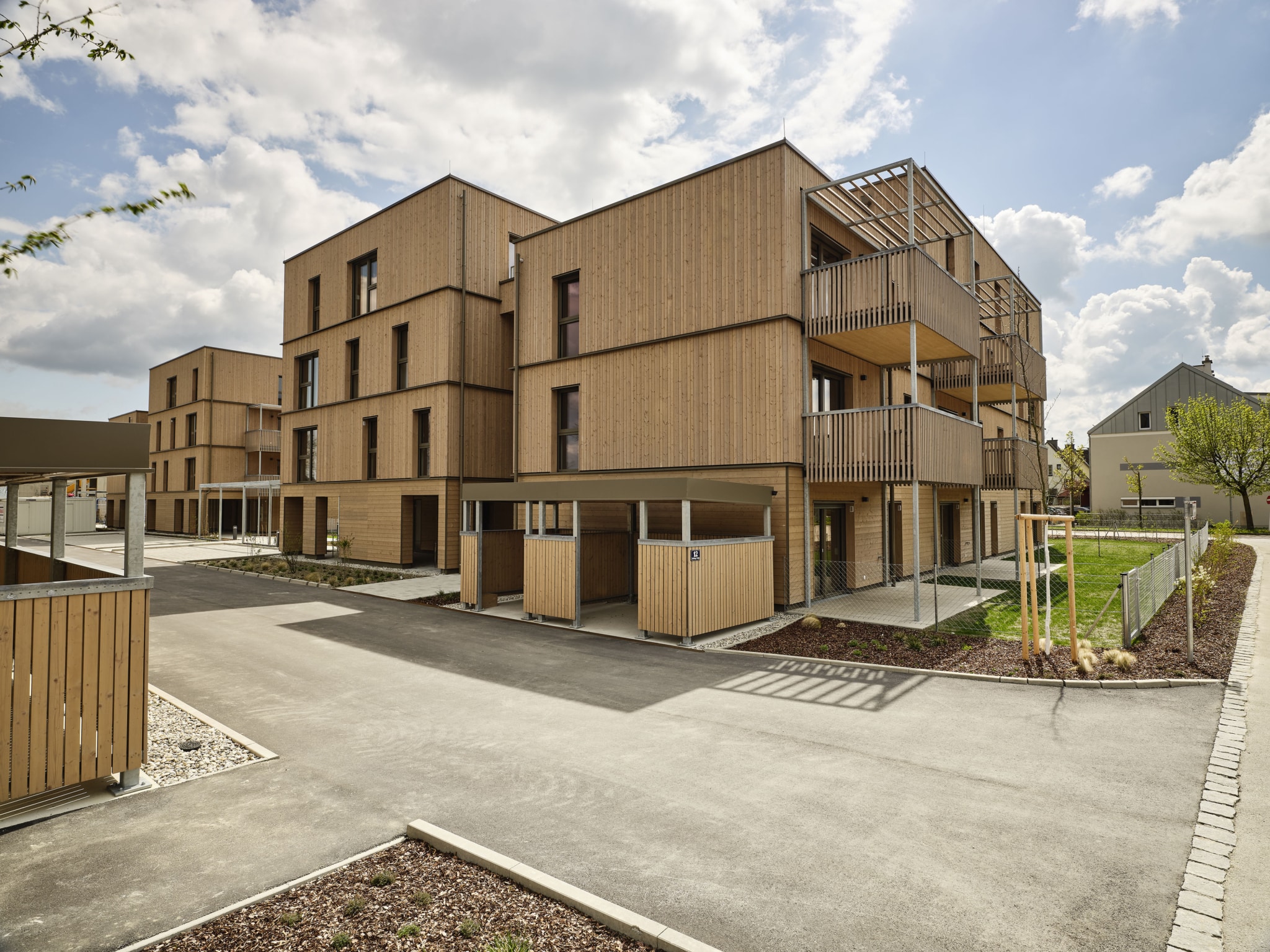


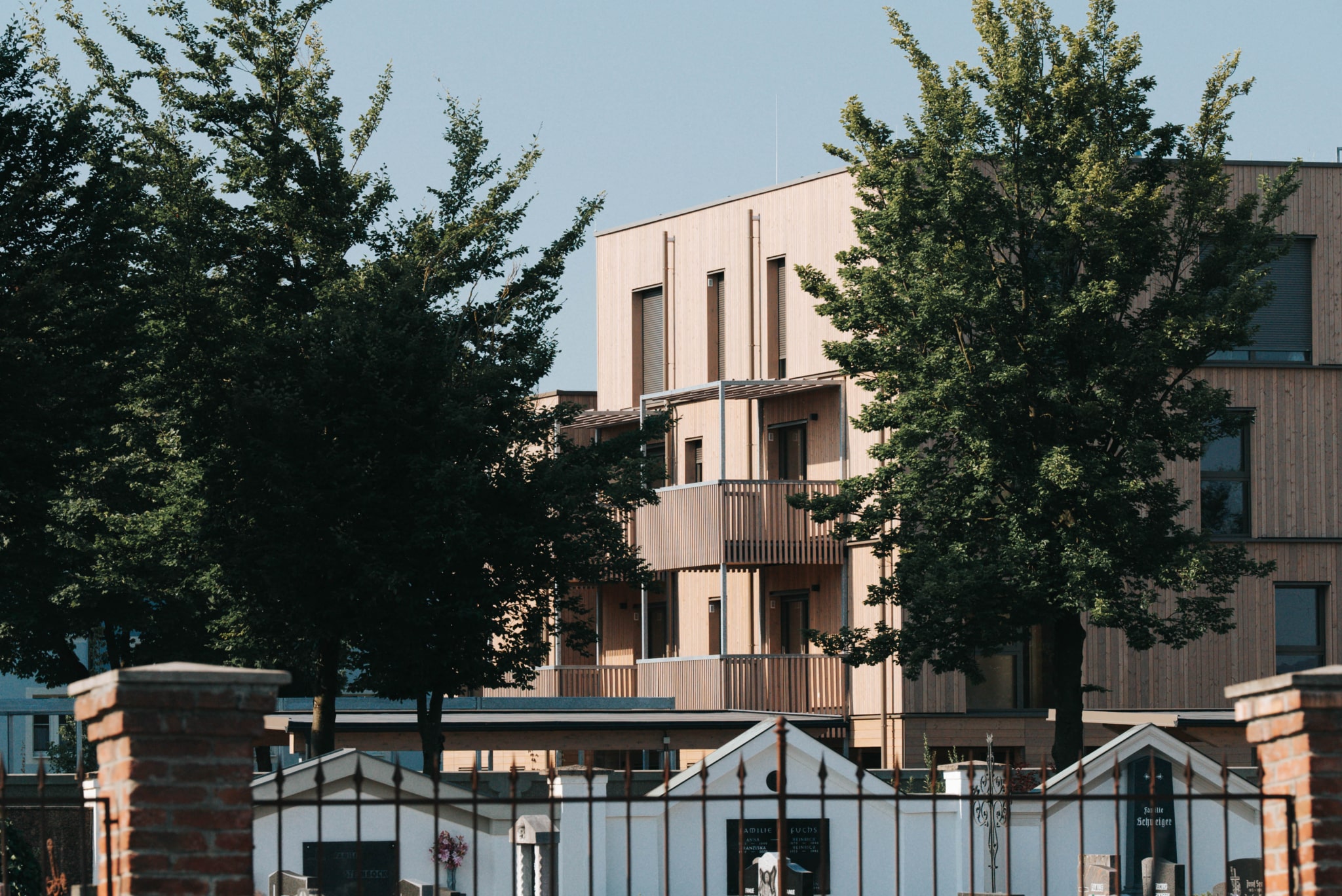
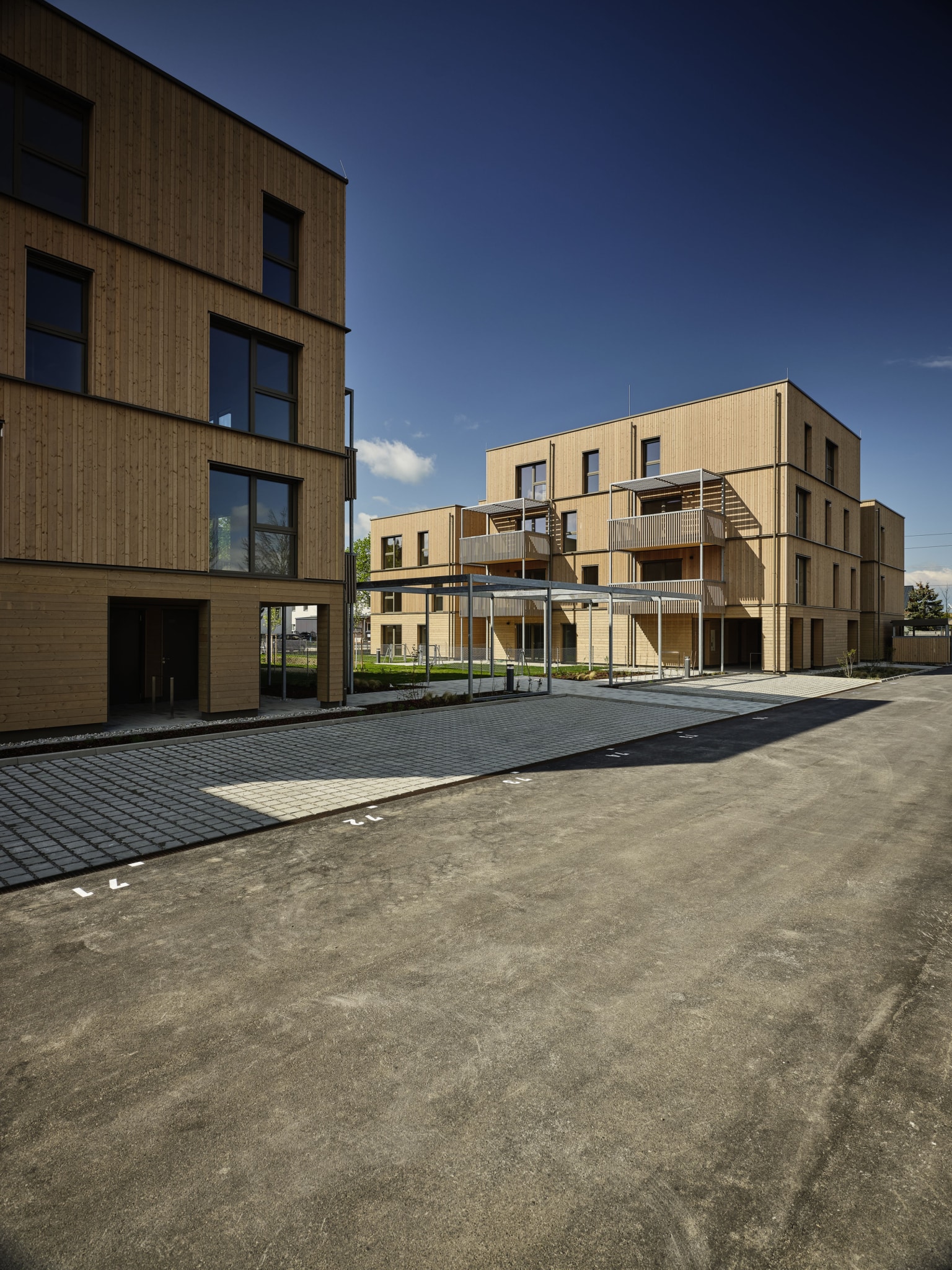
Innsbruck Guest House
Affordable housing with a high quality of living
A guest house for students and teaching staff has been built in Innsbruck, combining affordable living space with communal facilities.
In addition to the residential units, the building offers spaces for learning, socialising and leisure. The project was realised using prefabricated timber components, which enabled rapid and precise assembly.
The project shows that affordability and quality in housing are not mutually exclusive.


ECLA Co-living Residence, Archamps
New living in existing buildings
In Archamps, a former office building has been converted into a residential complex for students and young professionals.
By repurposing existing structures, additional living space is created without requiring new land. Prefabricated timber elements enable efficient construction whilst simultaneously improving the building’s energy performance.
The project demonstrates how affordable housing can also be created by extending existing buildings.


What makes affordable housing possible
Affordable housing is not created by a single factor. The key lies in the interplay between planning, construction methods and implementation.
The rule is: the earlier timber construction is integrated into the planning process, the greater the potential to optimise cross-trade coordination and maximise the degree of prefabrication. A high degree of prefabrication, reduced interfaces and clearly defined processes help to shorten construction times and make costs more manageable. At the same time, timber construction enables precise planning and flexible solutions for different requirements.
This results in buildings that not only work today but also stand the test of time.