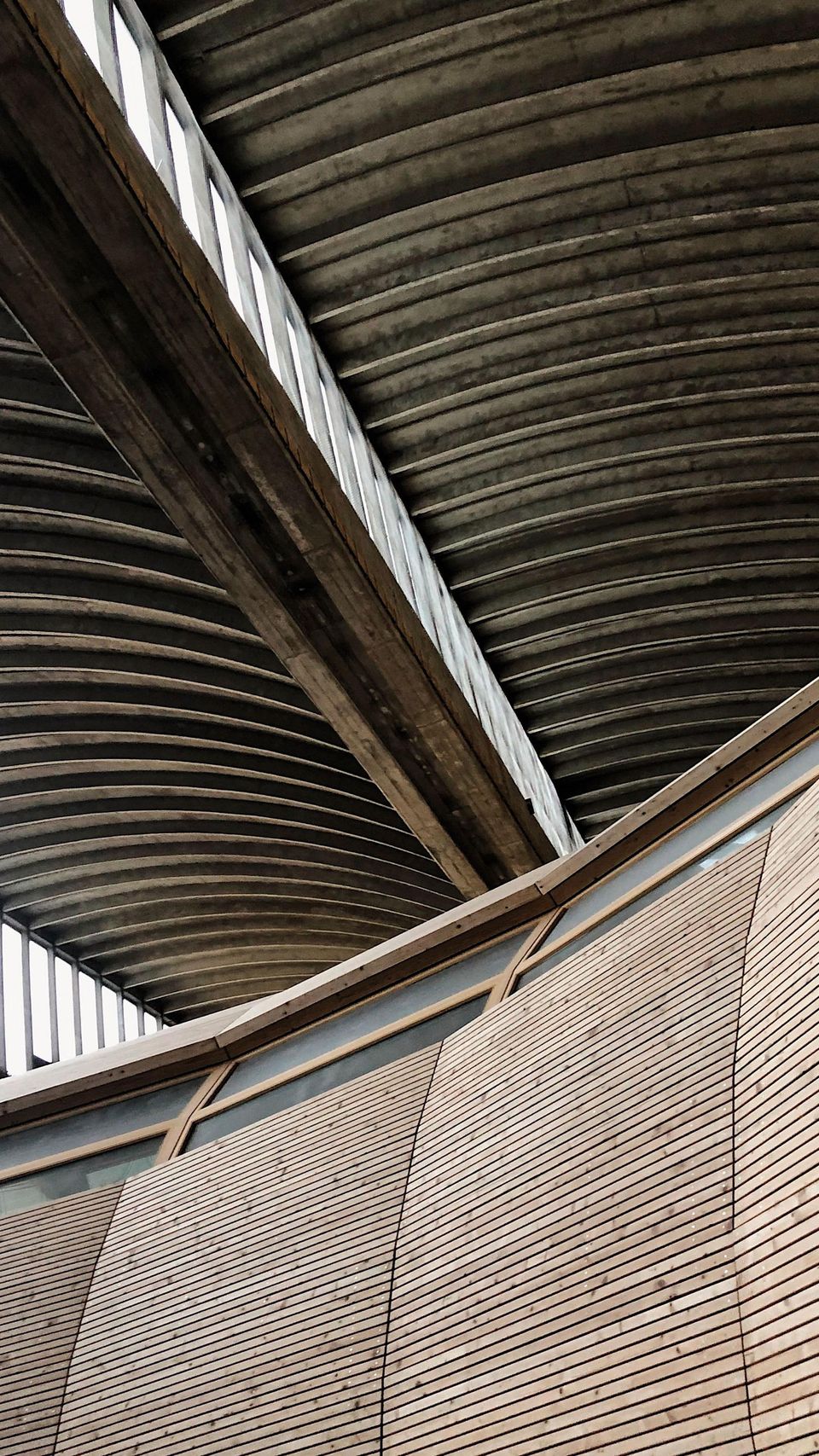
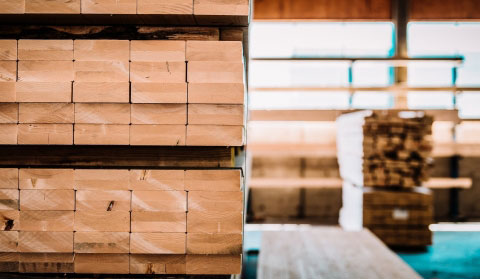
Construction of Facades and Building Envelopes with a Timber Frame System
Efficiency. Versatility. Foresight.
Wooden building envelopes are much more than simple façades. They represent high-performance systems that seamlessly integrate design, construction, and building physics. Architecturally flexible, technically sophisticated and economically viable.
As prefabricated elements in timber frame construction, solutions are created with high precision and clearly defined properties. In this way, building envelopes become an integral part of the design process, not just an outer layer.
At Rubner, we develop tailored solutions for new constructions and renovations. Our focus is on efficiency, design freedom and precise technical implementation. Our aim is to create building envelopes that function reliably over the long term and blend harmoniously into the overall concept of a building.
Why choose prefabricated timber-frame façades?


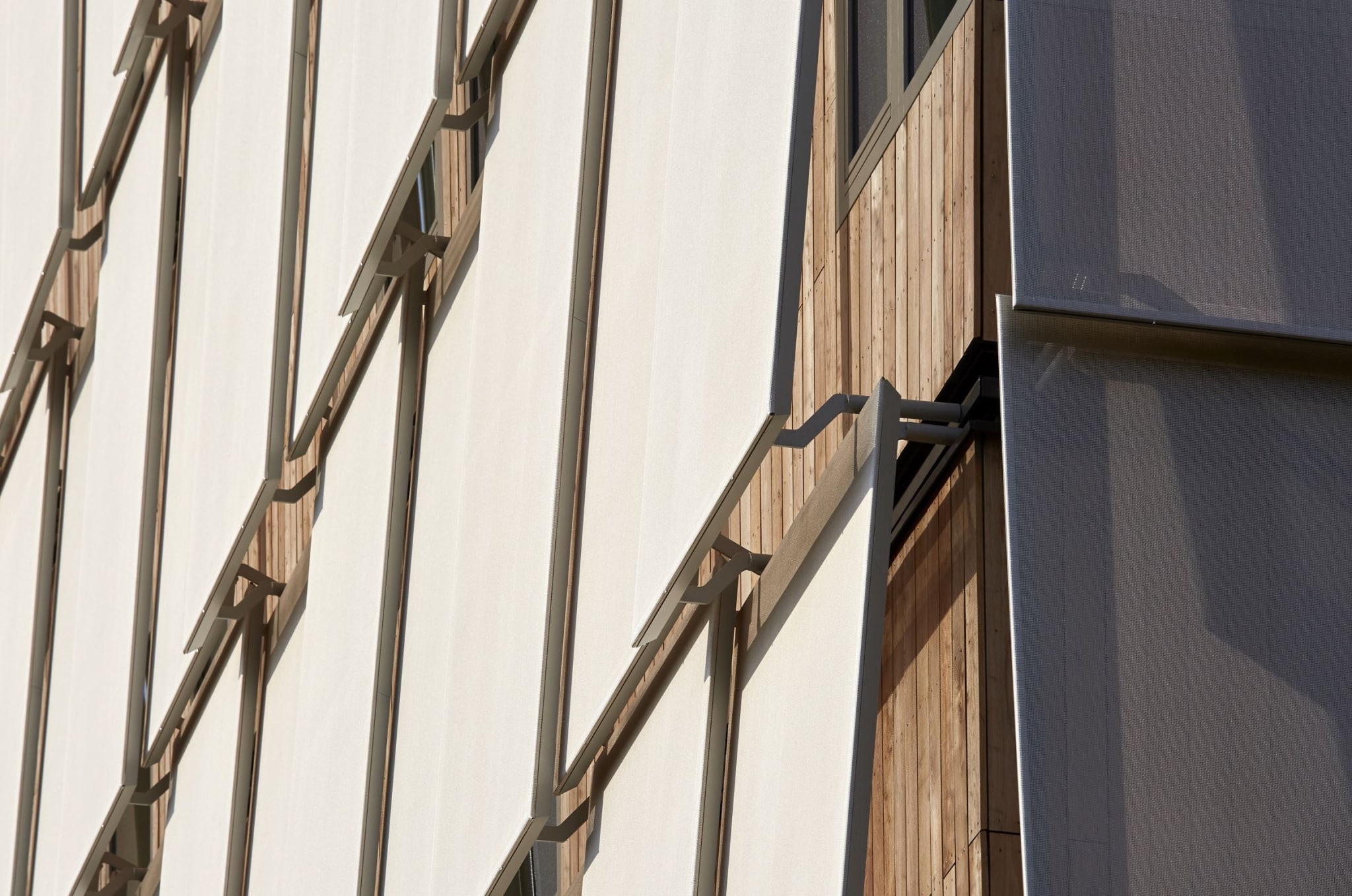


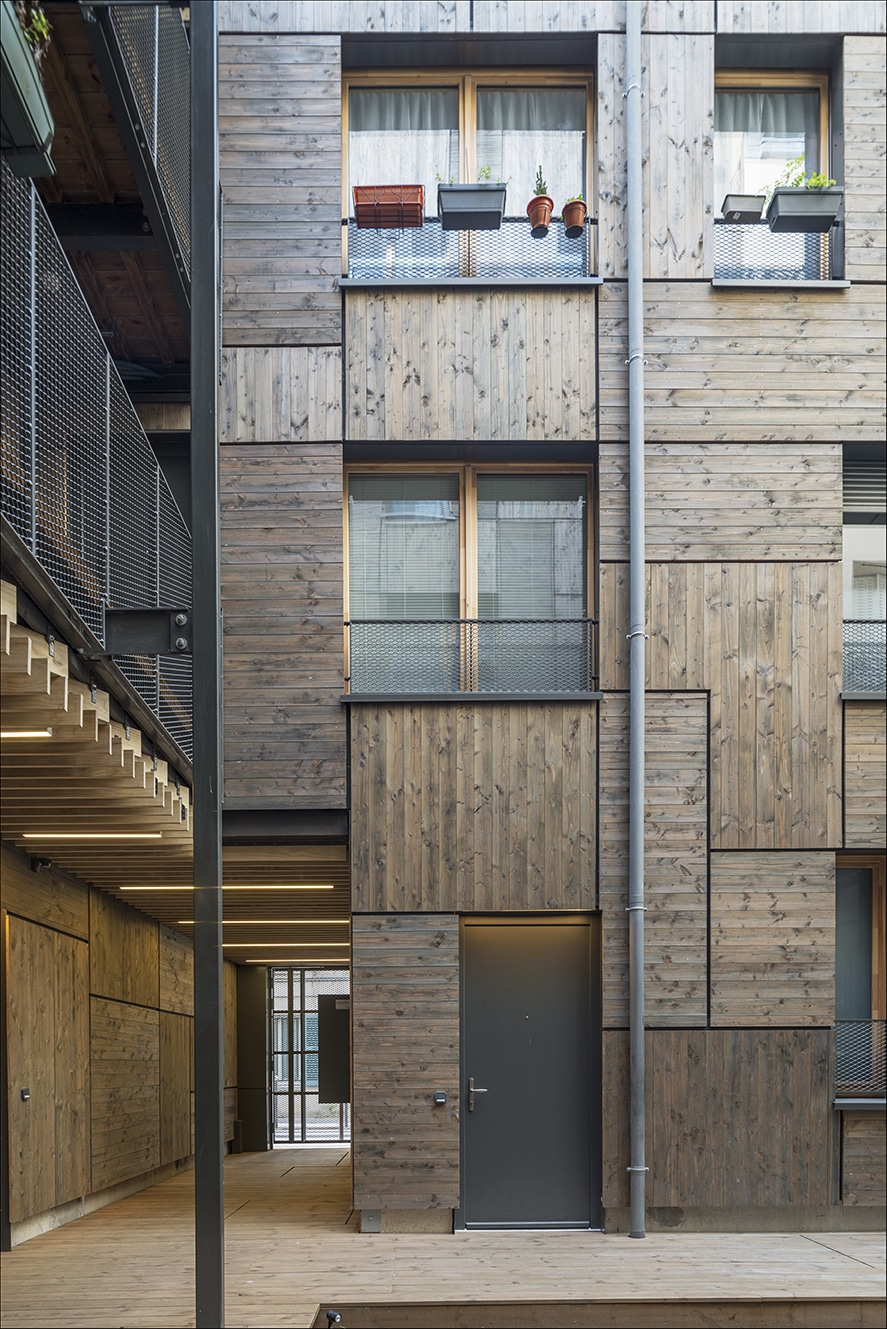
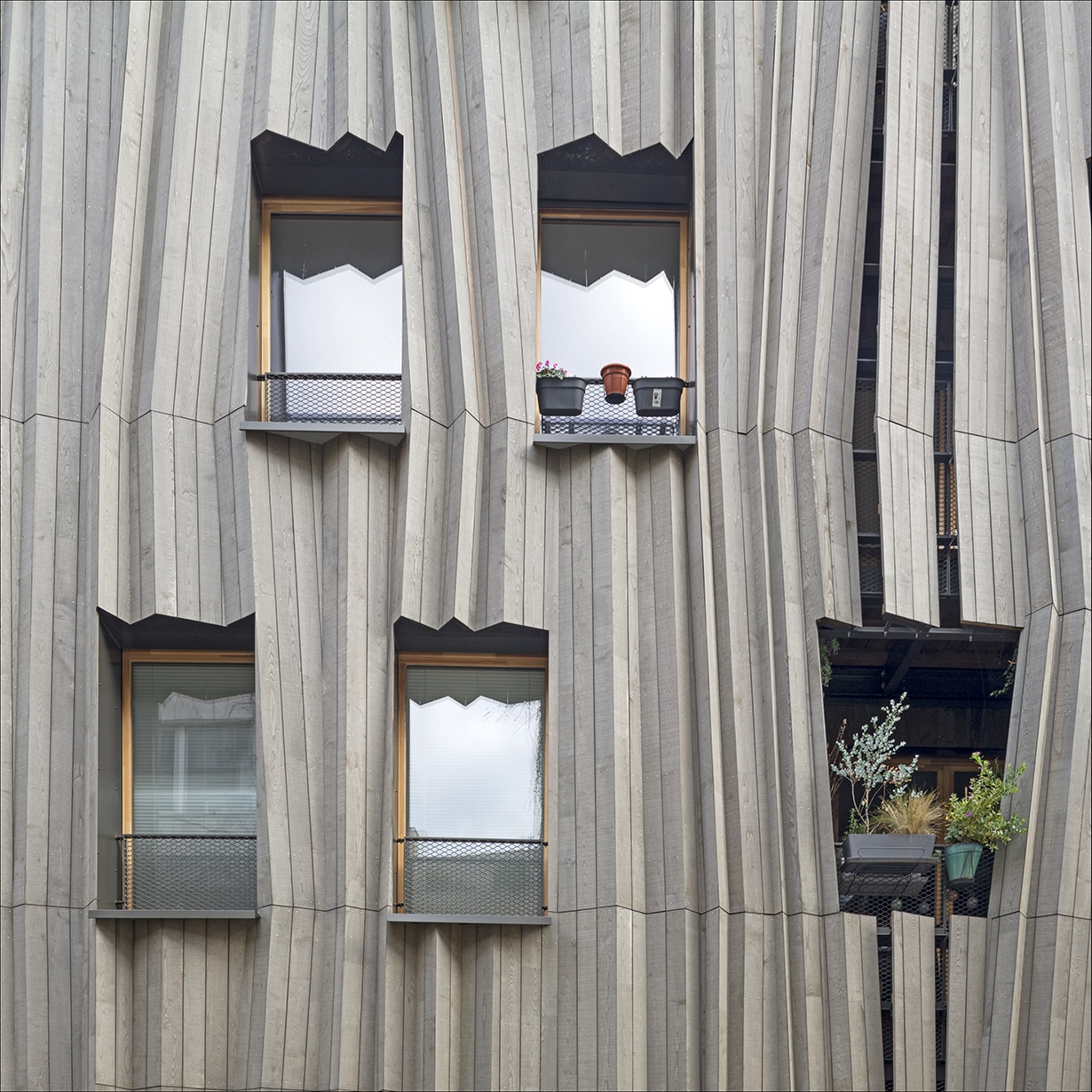
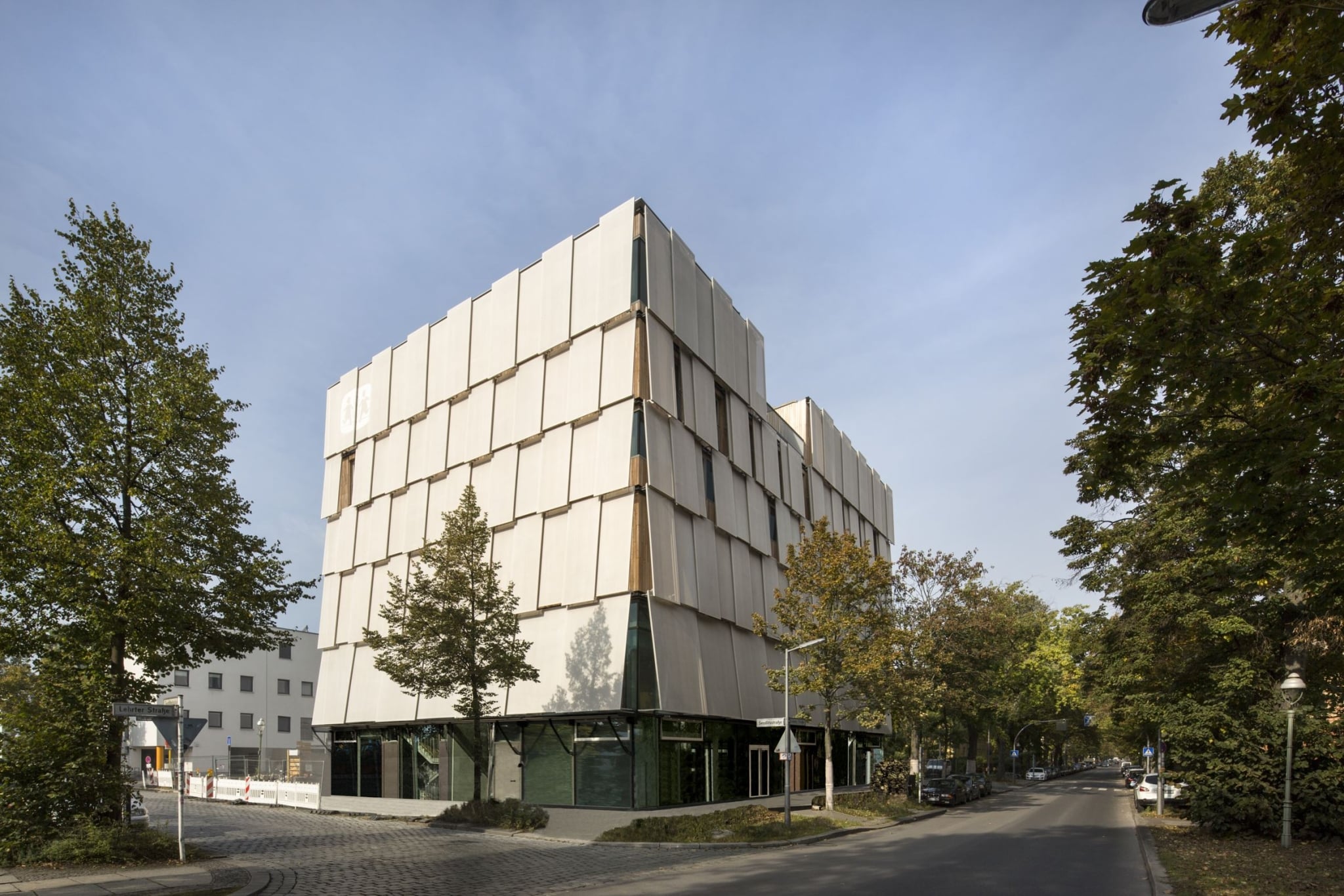

Planning certainty and architectural freedom for your building envelope
Large-format, prefabricated elements enable precise and reliable installation. They enclose the space, provide thermal insulation, are airtight, and contribute to a balanced indoor climate. At the same time, they serve a protective function and, depending on the project, can also be designed to be load-bearing.
A key advantage lies in the high degree of prefabrication. The elements are manufactured under controlled conditions and delivered ready for assembly. Features such as mullion-transom structures, special glazing, windows, sun protection, ventilation systems and components to meet fire safety requirements are already integrated at the factory.
This makes processes more predictable, reduces interfaces and ensures security throughout the entire process, whilst offering a high degree of design freedom.
Slim structures for greater space efficiency
Wood offers high load-bearing capacity with a small cross-section. This results in slender structural elements and more usable space within the same building dimensions. At the same time, the structural mass is reduced, which brings particular benefits in densely built-up urban areas or when adding storeys.
Industrial prefabrication for precision and on-time delivery
Our exterior wall elements are manufactured under controlled conditions, unaffected by weather conditions and with a high degree of dimensional accuracy. This results in building envelopes with clearly defined characteristics in terms of fire and sound insulation, as well as functionality.
Windows, technical installations, and cladding are integrated directly from the factory, ensuring efficient processes and high execution quality on the construction site.
Building envelopes with integrated technology
Today, building envelopes serve far more than just a protective function. Technical components can be specifically integrated and tailored to the requirements of each individual project.
These include, amongst other things, sun protection, ventilation systems and solutions for smoke and heat extraction. This reduces the coordination workload on site and helps ensure a smooth construction process.
Sustainable timber building envelopes
Timber is a renewable raw material and stores CO₂ throughout its entire lifespan. As such, timber construction makes an important contribution to resource-efficient building practices.
At the same time, industrial prefabrication helps to use materials efficiently and reduce waste on the construction site. Requirements from national regulations such as RE2020 in France or GEG in Germany can also be specifically addressed.
The ecological advantages of timber frame facades are diverse and have become measurable in projects such as Bagneux near Paris, where a former industrial building was transformed into an energy-efficient health and residential complex.

Requirements for modern building envelopes:
- Thermal performance – achieved through energy-efficient, thermal bridge-optimised building envelopes with precisely coordinated insulation layers and consistently high energy performance values.
- Sound insulation – provided by multi-layered, acoustically decoupled façade constructions that reliably meet project-specific requirements in urban and commercial environments.
- Fire protection – through tested, standard-compliant façade systems with validated partition and connection concepts in accordance with national and international regulations.
- Durability – through robust, weather-resistant and low-maintenance surface materials, as well as structurally well-thought-out detailing.
- Design versatility – through flexible combinations of timber, glass, fibre cement, render substrates or hybrid façade elements for bespoke architectural concepts.
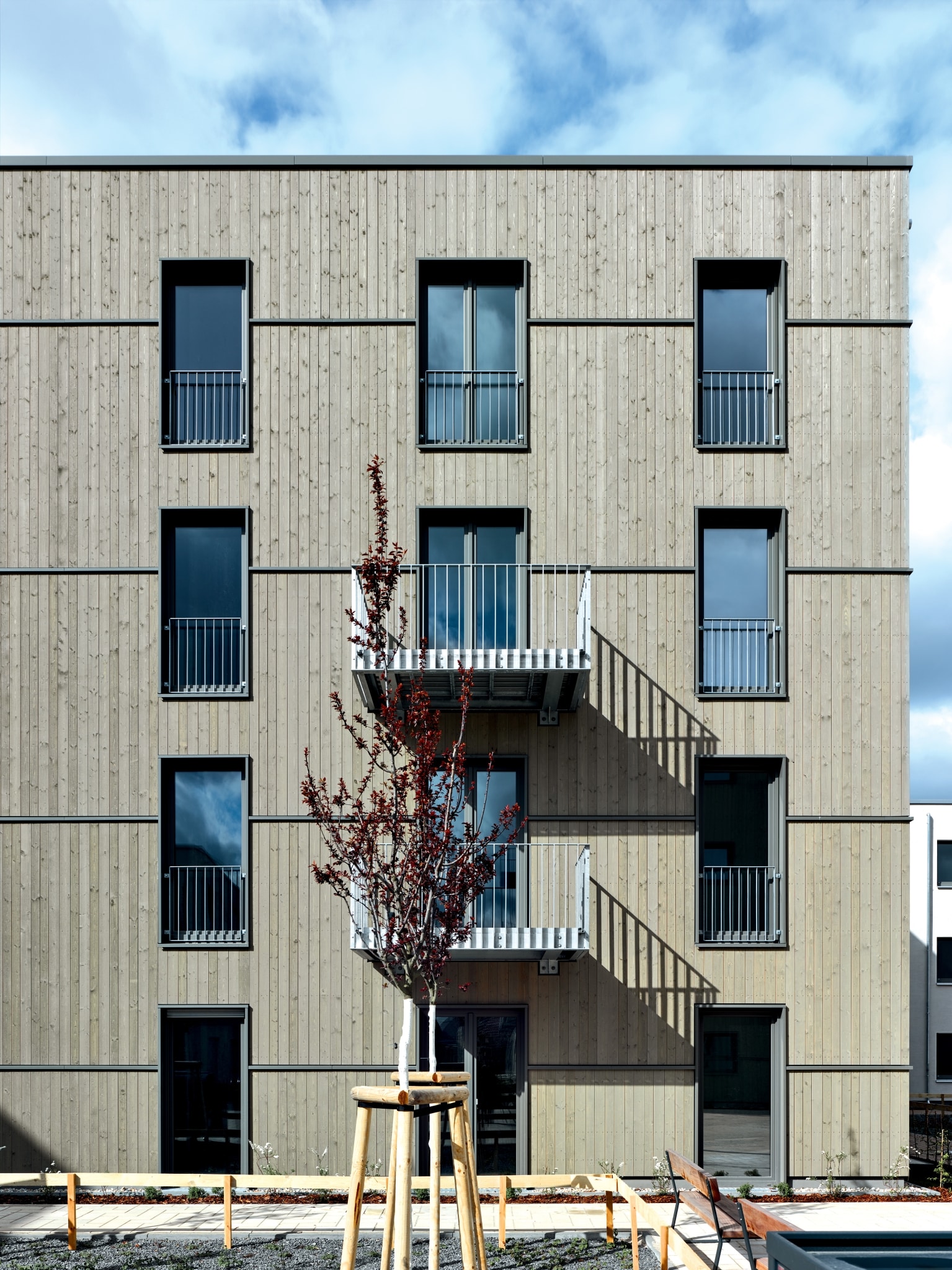


Are you planning the building envelope of tomorrow?
Let’s discuss transforming your idea into a convincing economic and technical solution.
Contact us now!
FAQ´s
Various materials are suitable for facades in timber frame construction, including wood, glass, fibre cement, render carriers and hybrid facade elements. Rubner realises building envelopes in timber construction with a high degree of design freedom and constructive precision. This allows timber frame facades to be used for new builds as well as refurbishments, extensions and large-scale projects.
Yes. A timber frame facade can save floor space compared to solid construction, because wood offers high load-bearing capacity with a comparatively slim cross-section. This results in slimmer wall and facade assemblies, which allow more usable floor space within the same building footprint. This advantage is particularly economically relevant for extensions, urban densification and urban construction projects.
Prefabricated timber facades and timber facade elements are particularly advisable when short construction times, high execution quality and reliable interfaces are required. Rubner manufactures the elements under controlled conditions in the factory and delivers them ready for installation on site. Depending on the project, windows, solar shading, ventilation systems and fire protection components can already be integrated. This reduces coordination effort and increases scheduling reliability.
Yes. Timber frame facades can meet high fire protection and acoustic requirements. Rubner uses tested and standards-compliant facade systems based on validated connection, compartmentation and detail concepts. Sound insulation is achieved through multi-layer, acoustically optimised constructions. As a result, timber frame facades are also suitable for urban, commercial and public building projects.
Timber facades can meet current energy standards such as the GEG in Germany or RE2020 in France through thermal-bridge-optimised constructions, precise insulation layers and a carefully planned building envelope. Rubner coordinates the facade systems with the energy requirements of the respective market. In addition, wood as a renewable building material stores CO₂ over the lifetime of the building, thereby improving the sustainability balance of the project.
Compared to solid construction, a timber frame facade offers several advantages: lower weight, slimmer components, fast installation through industrial prefabrication and good energy performance. Solid construction can also be appropriate depending on the project, but timber frame construction is particularly strong when scheduling reliability, sustainability, space efficiency and flexible facade design are the priority.
A prefabricated timber facade is a facade element that is planned, produced and prepared for on-site installation in the factory. Depending on the project, insulation, windows, solar shading, ventilation elements or fire protection details can already be integrated. This results in a ready-to-install building envelope with high precision and short construction times.
Prefabricated timber facade elements offer short installation times, high dimensional accuracy, controlled quality from the factory and fewer interfaces on site. They also enable lightweight constructions, good insulation values and a sustainable building envelope. For architects, clients and general contractors, this results in greater planning and scheduling reliability.
Timber frame facades are suitable for office buildings, schools, public buildings, hotels, residential construction, commercial buildings and refurbishment projects. They are particularly suitable for projects with high demands on prefabrication, energy efficiency, low weight and fast implementation. The lightweight nature of timber construction also offers clear advantages for extensions and urban densification.
Yes. Timber facades and facade elements in timber frame construction are very well suited for refurbishments, extensions and vertical additions. The low weight reduces the load on existing structures, while the high degree of prefabrication enables short construction times. This allows buildings to be improved energetically, extended and architecturally redesigned.
A timber frame facade is sustainable because wood is a renewable building material that stores CO₂ in the building over the long term. Through precise prefabrication, material usage, waste and construction time can be reduced. Combined with good insulation and energy-efficient facade systems, the timber facade contributes to a better overall ecological balance of the building.
Rubner supports facade projects in timber construction from technical planning through industrial prefabrication to installation. The structural system, building envelope, connections, fire protection, sound insulation and energy requirements are coordinated on a project-specific basis. The result is a facade solution that combines architectural design, technical reliability and economical implementation.