University of Newcastle Central Coast Campus
A modern timber education building with a vision for the future
Location:
Newcastle, Australia
Client:
Hansen Yuncken Pty Limited
Architecture:
Lyons Architecture
Structural Engineering:
Northrop
Timber Construction Period:
2025
Project in figures:
approx. 200 m³ of glulam, beam lengths of up to 12 m, approx. 4,550 m² of floor space, space for up to 900 students, transport distance of approx. 16,000 km
A Place to Learn and Belong
The new Central Coast Campus of the University of Newcastle is creating an educational hub that is specifically aligned with the needs of the region.
The building offers approximately 4,550 m² of space for around 900 students. Alongside modern learning spaces, open lounge areas, a café and freely accessible outdoor spaces are being created. The result is a campus designed not only for students, but also as a place for the wider community.
The aim is to bring education closer to people, reduce long commutes and create new opportunities on a local level. At the same time, the project contributes to regional development, strengthens educational participation and creates new jobs.


Beyond Linearity: Australia’s First Curved Timber Facade
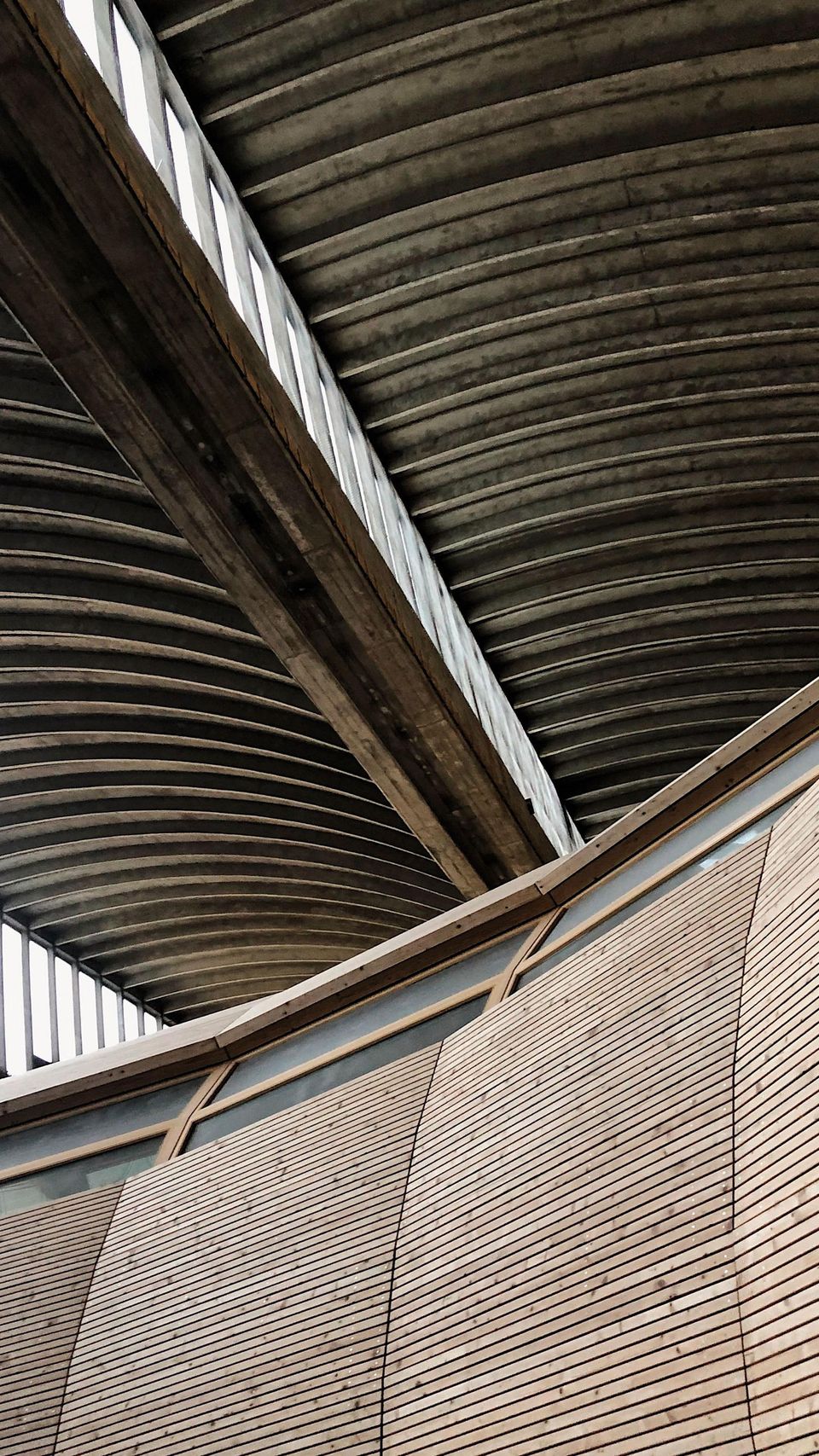
A particularly noteworthy aspect of the project is its facade, which stands out not only for its visual impact, but above all for the innovative value it introduces into the architectural landscape. It is, in fact, the first fully curved facade made from engineered timber in Australia – a milestone that marks a significant evolution in the large-scale use of glulam timber. The undulating facade system, inspired by the movement of waves, gives the building a dynamic and contemporary identity, integrating with the urban context and transforming into a strongly recognizable architectural element.
Behind this seemingly fluid form lies considerable technical complexity: timber, a naturally linear material, requires advanced design and fabrication processes to be curved with precision and continuity across large surfaces.
The curved facade of the University of Newcastle thus becomes not only an iconic element, but also a concrete example of the potential of glulam timber in contemporary architecture: a material that transcends the limits of tradition and opens up new expressive and design possibilities.
Built Sustainably with Timber
Timber was a deliberate choice for this project. As a renewable resource, it supports a resource-efficient construction approach and fits seamlessly into the building’s overall sustainability concept.
The campus is designed to achieve a 6 Star Green Star rating, setting a clear statement for responsible construction. At the same time, timber creates a warm, welcoming atmosphere that has a positive impact on learning and working.
Local integration was also a key consideration in the design. In close collaboration with a First Nations Working Group, cultural aspects were incorporated into the architecture, design and use of the building.
From Brixen to Australia
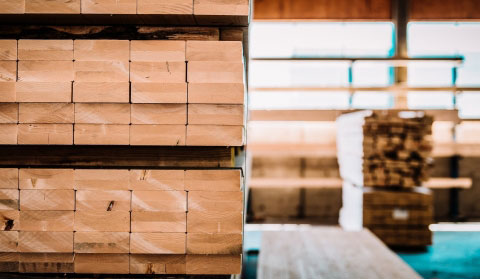
The structural timber elements were manufactured at our Brixen facility. A total of approximately 200 m³ of glued laminated timber (glulam) was used. The beams reach lengths of up to 12 meters
Following production, the components were shipped to Australia via the port of Genoa. The journey of approximately 16,000 kilometres demonstrates how precise planning and coordinated processes can function effectively across vast distances.
The high degree of prefabrication enabled efficient on-site assembly and contributed to a smooth construction process.
Delivered Through Strong Collaboration
A project of this scale depends on excellent teamwork. Planning, production and logistics work hand in hand, forming the foundation for reliable execution.
As one of the first multi-storey timber buildings in the region, the campus also sends a clear signal for the continued advancement of timber construction.
Services at a glance
- Production of the glulam beams
- Delivery of the components to Australia
- Contribution to an efficient construction process through high levels of prefabrication