100 years of Rubner
What has grown. What unites us. What sustains us tomorrow.
A tree needs time to develop strength. Rubner, too, has grown over generations. What began as a small, water-powered sawmill has evolved into an internationally active group of companies that understands, processes and innovates with wood in all its forms.
Today, Rubner stands for experience, precision and the commitment to creating spaces with wood that stand the test of time. What began 100 years ago is far more than just a company history. It is an attitude that endures to this day, one that is continuously guiding our focus toward the future.
For those who build with timber take on responsibility. For the quality of every single project. For the origin of the material. And for a future that must be shaped sustainably.
Past
What has grown
The history of Rubner began in 1926 in Kiens, South Tyrol. With his first sawmill, Josef Rubner senior laid the foundation for a development that remains characterised to this day by entrepreneurial courage and precision craftsmanship.
Over the decades, this humble beginning has grown into a company that consistently pushes the boundaries of wood as a material. From the timber trade, the company evolved toward the crafting of timber houses, wooden doors and windows.


From this emerged industrial production, modern wood-based materials and, ultimately, complex projects in timber engineering. Buildings with large spans, sophisticated structures and international appeal.
Each generation contributes new ideas and builds on what has already been achieved. Experience is not merely passed on, but actively developed further. This creates a foundation that offers stability whilst leaving room for innovation.
Today, around 1,500 employees at 18 sites in Italy, Austria, Germany and France are working to continue this development. With the shared goal of further strengthening timber as a sustainable building material and setting new standards in construction.
The Present
What unites us
What defines Rubner today is evident above all in the way we work together. Appreciation is not just a buzzword, but part of our daily work. It is evident in how we interact with one another, in clear communication and in the reliability that customers, partners and project stakeholders can count on.
Engineered timber construction is always a team effort. Projects emerge from the interplay of many disciplines, from planning through production to assembly.


This is precisely where a particular strength lies: making complex requirements understandable, coordinating interfaces and jointly developing solutions that are technically sound and economically viable.
This approach also extends to the materials. Rubner knows the origin of the timber, works closely with suppliers and forest owners, and consistently prioritises sustainably managed forests. From the tree in the forest, through our own sawmill, to the finished building, the entire value chain remains traceable and deliberately short.
This ensures transparency, quality and security of supply.
The future
What sustains tomorrow
At Rubner, sustainability is not a trend, but a conviction that has always been part of our thinking. As a family-run business, the focus is not on short-term success, but on what makes sense in the long term.
Wood plays a central role in this. As a natural, renewable raw material, it stores CO₂, enables resource-efficient construction and creates healthy living spaces. At the same time, working with wood requires expertise and responsibility. It is about using the material correctly, understanding its properties and combining it sensibly with other materials.
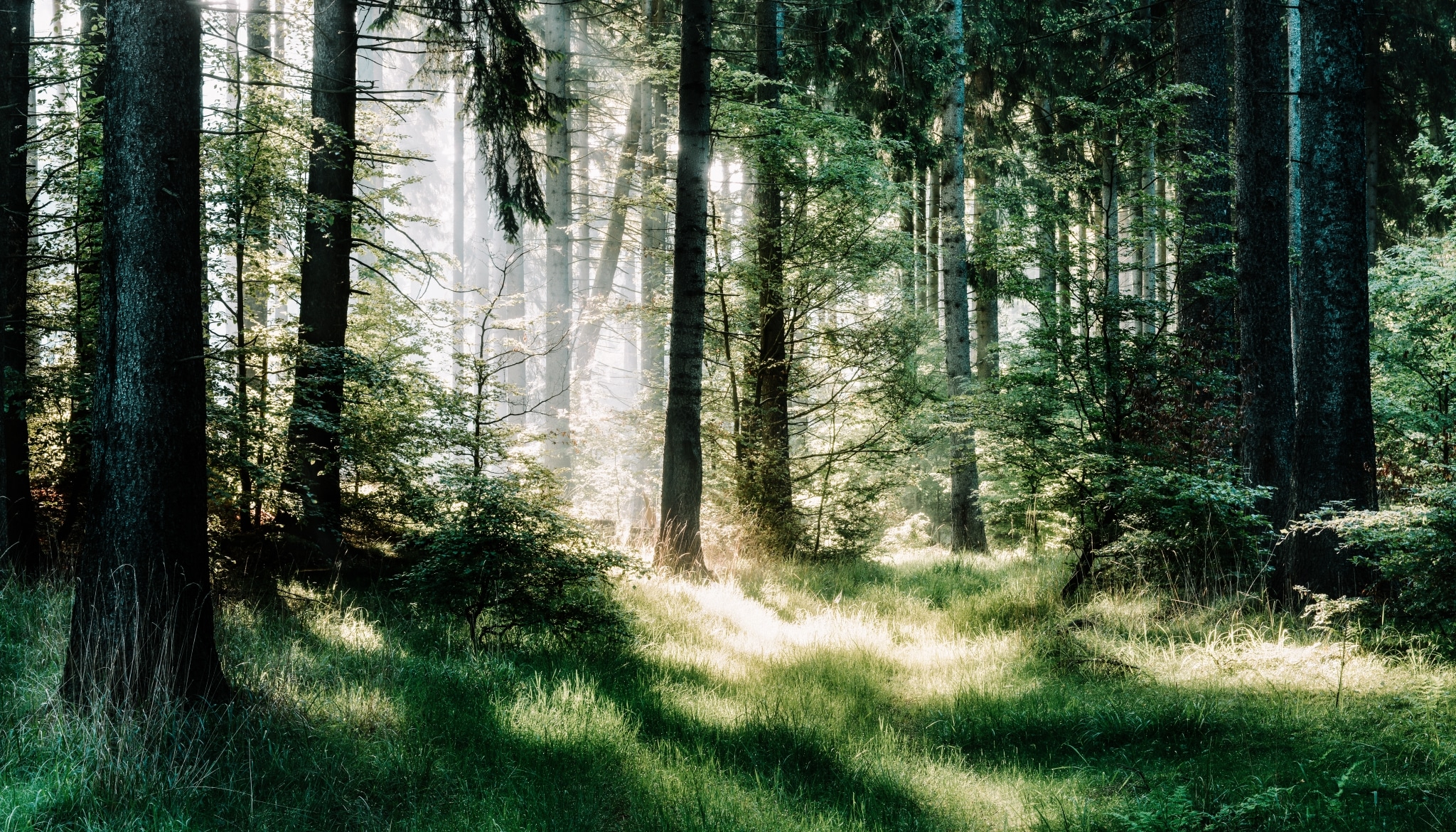

Sustainability means more than just the environment. It also encompasses social responsibility, fair working conditions, development opportunities for employees and respectful cooperation. For it is only in this way that solutions are created that are truly fit for the future.
The future is built on experience
100 years of Rubner stand for experience that has grown over time. For collaboration underpinned by trust and respect. And for a clear vision that looks to the future.
Wood was the beginning.
And remains the foundation for everything to come.

Our path to success in timber
Company history
For more than 90 years now, the Rubner Group has been a successful player in the wood and timber construction business. It all started back in 1926, when Josef Rubner Sr. built the first water-powered saw mill in Chienes, thus laying the foundations for an impressive company history …
1926 – 1996
1926: Josef Rubner Sr. builds the first water-powered sawmill in Chienes (Italy).
1960: Josef’s sons Paul, Pepe and Hermann Rubner join their father’s timber business.
1964: The first wooden doors are produced in Chienes.
1966: The Kiens/Chienes factory starts production of Rubner log houses.
1974: The timber construction company is founded in Bressanone (Italy), and the production of glulam begins.
1979: Wooden window production begins in Sarentino (Italy).
1985: The first “Rubner Residenz” low-energy houses are produced in Chienes.
1994: Rubner takes over Nordpan, a company in Valdaora (Italy).
1996: Rubner Holzindustrie in Styria (Austria) becomes part of the group. The sawmill is modernised and expanded.
2004 – 2012
2004–2005: Within two years, the three founders, brothers Paul, Pepe and Hermann Rubner, pass away.
2005: With Stefan, Peter, Joachim and Alfred Rubner, the third generation takes the helm.
2006: Rubner takes over Glöckel Holzbau in Ober-Grafendorf (Austria) and invests in a new glulam production line.
2007: Rubner acquires a participation in Reinverbund GmbH, a manufacturer of glue- and metal-free solid wood elements in Prato allo Stelvio (Italy).
2008: The Nordpan solid wood panel plant in Strassen in East Tyrol (Austria) goes into operation.
2010: Rubner SAS is founded in France.
2012: In Germany the Rubner Holzbau GmbH as part of Rubner Timber Engineering is founded, while in Chienes, the new Rubner Center, including Rubner Haus and Rubner Türen, is opened.
2014 – today
2014: The Chienes headquarters is expanded: Rubner Holzperspektiven and Rubner Türenwelt are opened.
2016: Due to a strategic reorientation, Reinverbund GmbH becomes holzius GmbH.
2018: Rubner takes over the company Vaninetti SAS in Rosny-sur-Seine, France, as a production site.
2020: The Rubner Haus Boutique for the interior and exterior design of living spaces opens its doors in Chienes.
2023: The new holzius company headquarters – the holzius Heimstatt – opens.
2025: Rubner Türen: Construction of a new production facility and administrative building in Chienes
2026: Rubner site in Ober-Grafendorf: Redevelopment of the site, including the construction of a new administration building and a plumbers’ workshop
What we are building today

Multistorey
buildings

Façades

Industrial &
commercial buildings

Special
Projects