New Sydney Fish Market
The development of the largest wooden roof in the Southern Hemisphere.
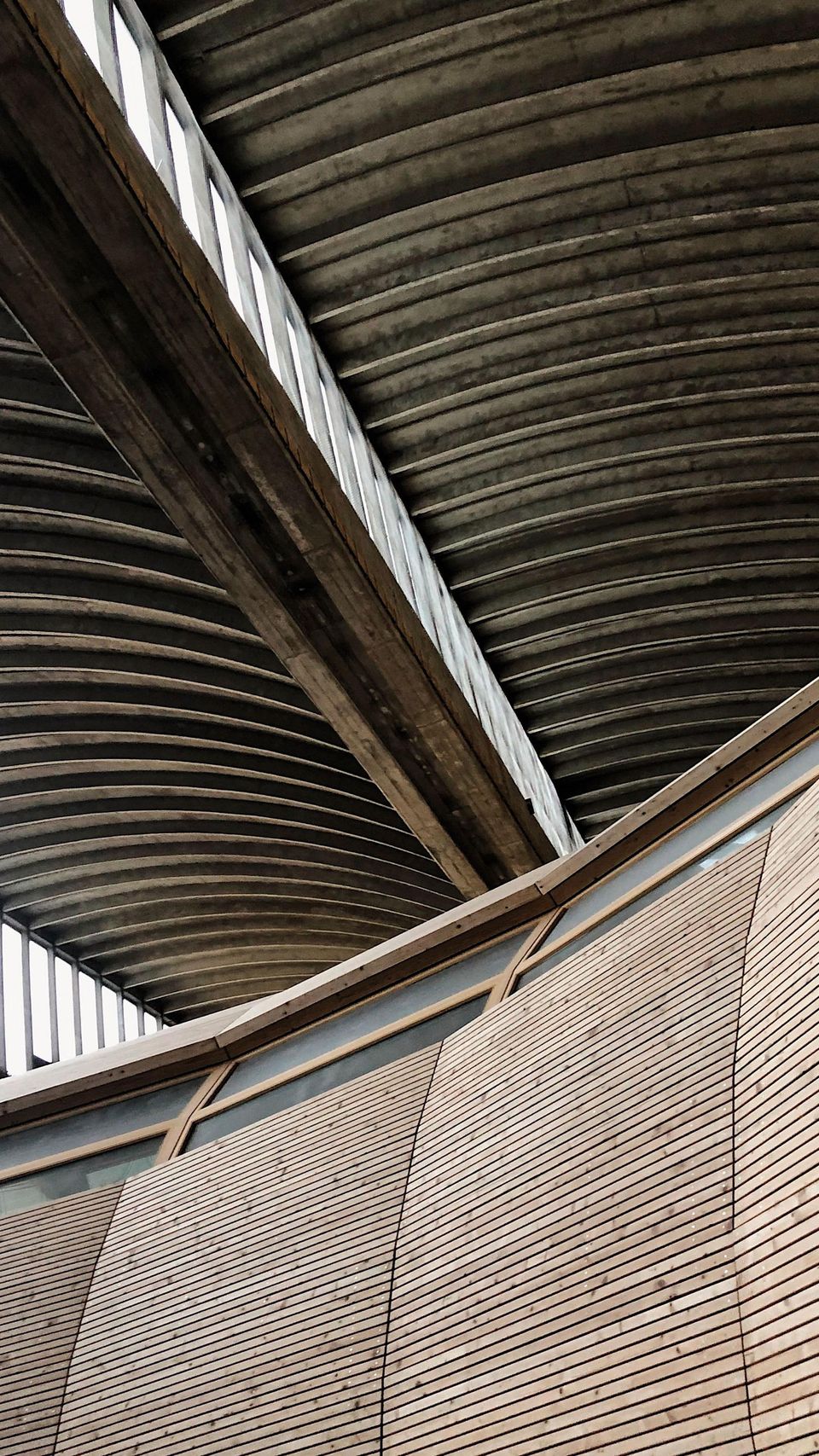
The new Sydney Fish Market is located at Blackwattle Bay, in the heart of Sydney, and represents one of the most significant international projects in the timber construction sector. The new complex has been designed as an open, social and contemporary space, capable of preserving the identity of the historic market whilst redefining its relationship with the water, the city and public space. In this context, the large undulating wooden roof becomes the central element of the project: an iconic structure that combines architectural value, environmental performance and engineering complexity.
The roof, inspired by the movement of water and the marine world, not only defines the appearance of the new building but also fulfils a specific technical and environmental function. The skylights bring natural light to the upper levels of the market and help to shade the spaces; the integrated photovoltaic panels contribute to the building’s daily energy requirements; the roof surface is also designed to collect rainwater and prepare it for reuse. The timber structure consists of hundreds of laminated timber beams and is now the largest timber roof in the southern hemisphere.
Technical planning
September 2022 – December 2023
The technical planning of the corrugated timber roof took place over a period of approximately 15 months and required the coordinated involvement of seven teams.
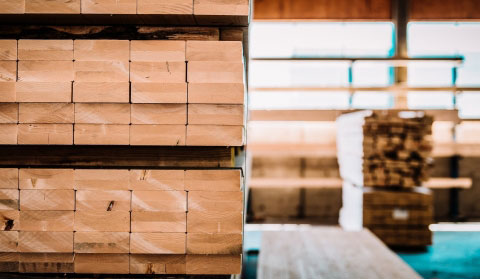
The complexity of the roof necessitated the development of a highly optimised structural system, based on a three-dimensional glulam grid comprising 594 beams, designed to work in conjunction with high-performance metal joints.
For the 22,000 m² sales area of the fish market, over 110 primary laminated timber beams were developed and engineered, with lengths ranging from 10 to approximately 33 metres, around 100 secondary beams of approximately 14 metres, and nearly 350 tertiary beams of just under 7 metres.
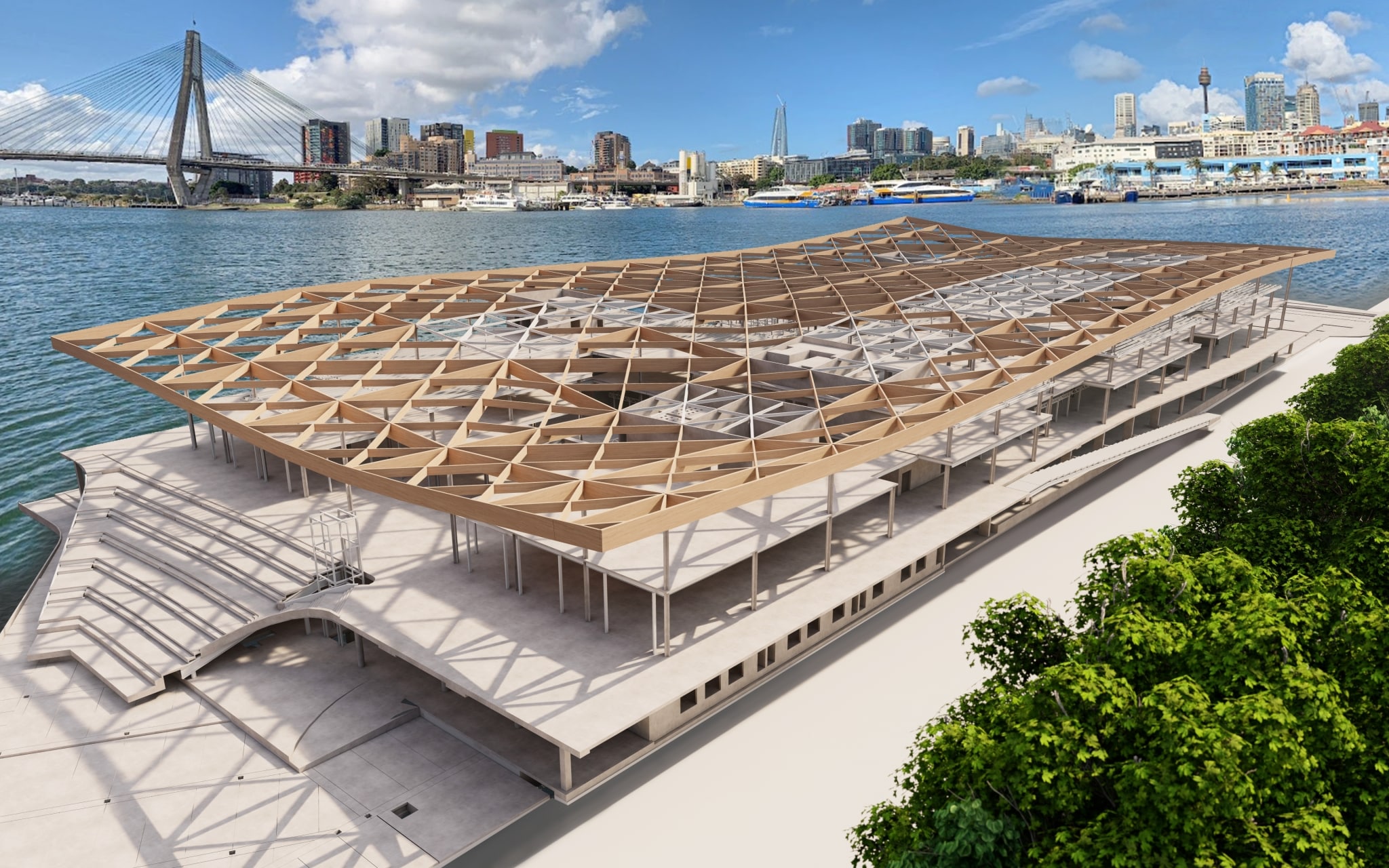

The design process was approached in accordance with Design for Manufacture and Assembly (DfMA) principles, with the aim of integrating production, transport and assembly considerations from the very earliest stages, thereby reducing lead times, errors and material waste.
The high number of unique elements and the non-repetitive geometry necessitated an advanced engineering process, in which each beam was modelled, verified and produced as a specific component within a coordinated system. From this perspective, the work on the timber was not limited to the dimensioning of the elements, but involved defining the entire construction system, the connections and the assembly logic.
Shipping to Australia
September 2023 – December 2023
Logistics formed an integral part of the project: not a secondary activity, but a genuine extension of the technical planning. A total of 584 beams were loaded into the hold of a ship in the port of Monfalcone and travelled some 11,500 nautical miles to Australia. A detailed loading plan enabled the beams to be arranged in the exact sequence required by the assembly schedule, ensuring they were available in Sydney in the chronological order planned for on-site assembly.
The organisation of the sea transport and subsequent handling in Australia was tailored to the installation requirements, with the aim of ensuring continuity, precision and control at every stage of the roof’s construction.


The assembly
May 2024 – December 2024
On-site assembly began on 9 May 2024 with the hoisting of the first beam. In the first phase, the cross-braces with four-way connections were installed at the top; subsequently, the 110 primary beams made of laminated timber, ranging in length from 10 to approximately 33 metres, were installed. In phase 3, the diagonal primary beams with hook connections were also added.
The assembly sequence began in the north-western section of the roof and progressed step by step until the eastern section was completed. The entire process of assembling the timber structure took around eight months and required a very high level of coordination between logistics, lifting operations, safety and precision in execution.
The use of prefabricated elements and roof modules made it possible to optimise installation times, improve safety on site and reduce the amount of work carried out at height.
The Sydney Fish Market today
Officially opened on 19 January 2026, the new Sydney Fish Market immediately established itself as one of the city’s main attractions: in its first week of opening, it recorded over 230,000 visitors and more than 160 tonnes of fish sold, instantly confirming the market’s central role in the local economy and tourism sector.
Once fully operational, the new complex is designed to welcome over 6 million visitors a year, doubling the footfall of the previous market and consolidating its role as an international destination.
With over 40 operators across retail and catering, the market combines commercial activities, gastronomic experiences and public spaces, transforming itself into an open and accessible urban infrastructure.


A project that leaves its mark
The Sydney Fish Market is not merely the result of a complex construction process, but a tangible expression of what contemporary building can achieve.
A roof that transcends its technical dimensions to become an experience, an identity and an urban landmark. A project in which engineering precision, architectural quality and design vision converge, giving shape to something that goes beyond the sum of its parts.
Today, the project stands as a global benchmark, demonstrating how timber engineering can contribute to the creation of complex, sustainable buildings with a significant urban impact, capable of combining technical performance, architectural quality and social value.