Glued laminated timber (GLT)
A material that reimagines structural systems
What is glued laminated timber and how is it used?
Glued laminated timber, also known as GLT or Glulam, is now one of the most important materials in modern timber engineering. It combines the natural properties of wood with technical precision and opens up new possibilities in structural design.
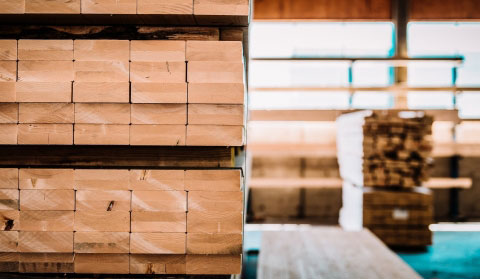
By bonding several wood lamellae in the same grain direction, a material is created with defined mechanical properties, high dimensional stability and reliable load-bearing capacity. This allows even large spans and complex geometries to be realised efficiently and economically.
Advantages
Glued laminated timber combines technical performance with ecological and design qualities. This results in a wide range of applications across a variety of construction projects.
Load-bearing & efficient
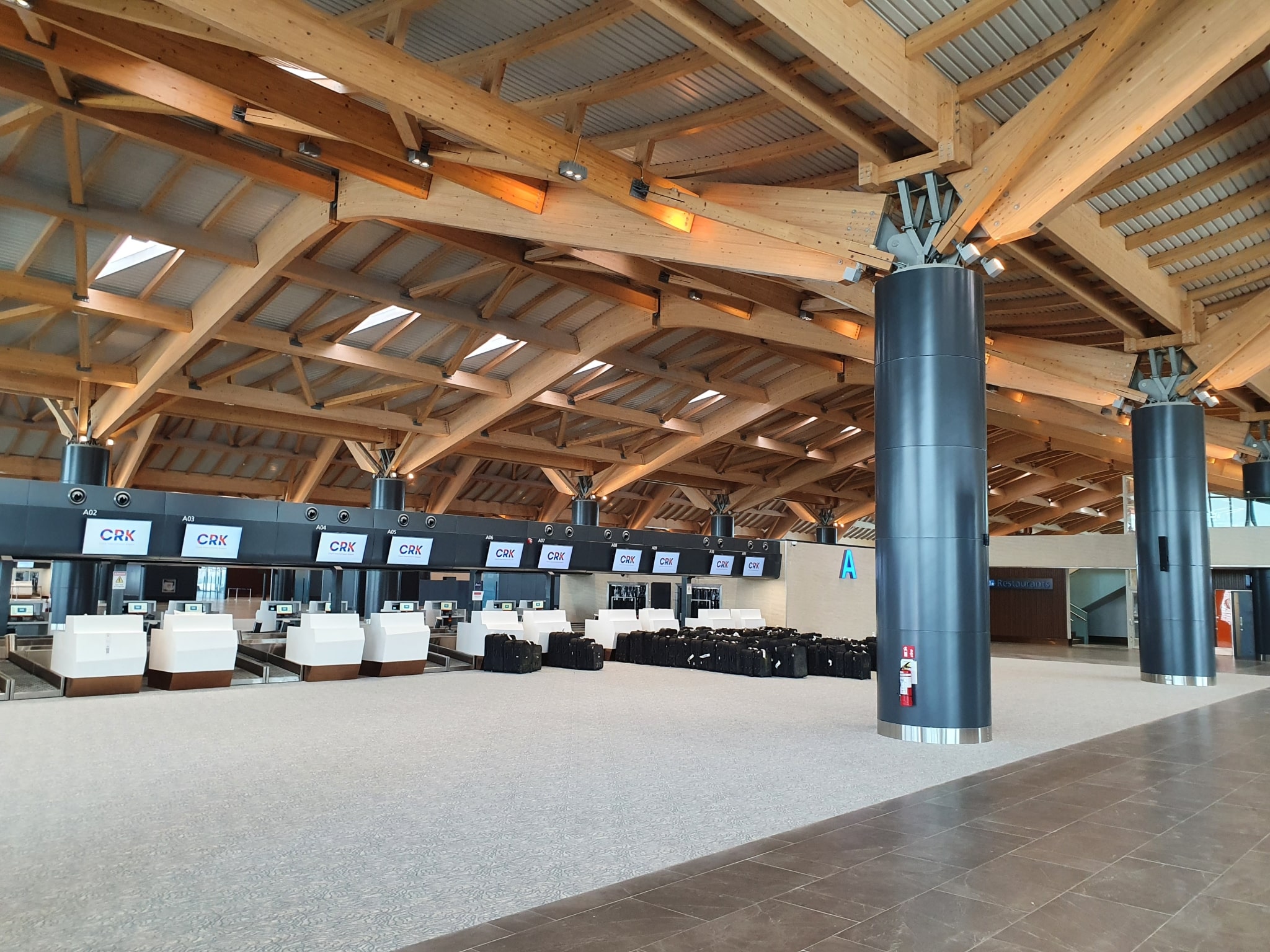
An excellent strength-to-weight ratio enables large spans whilst maintaining slender and material-efficient structures.
Design freedom
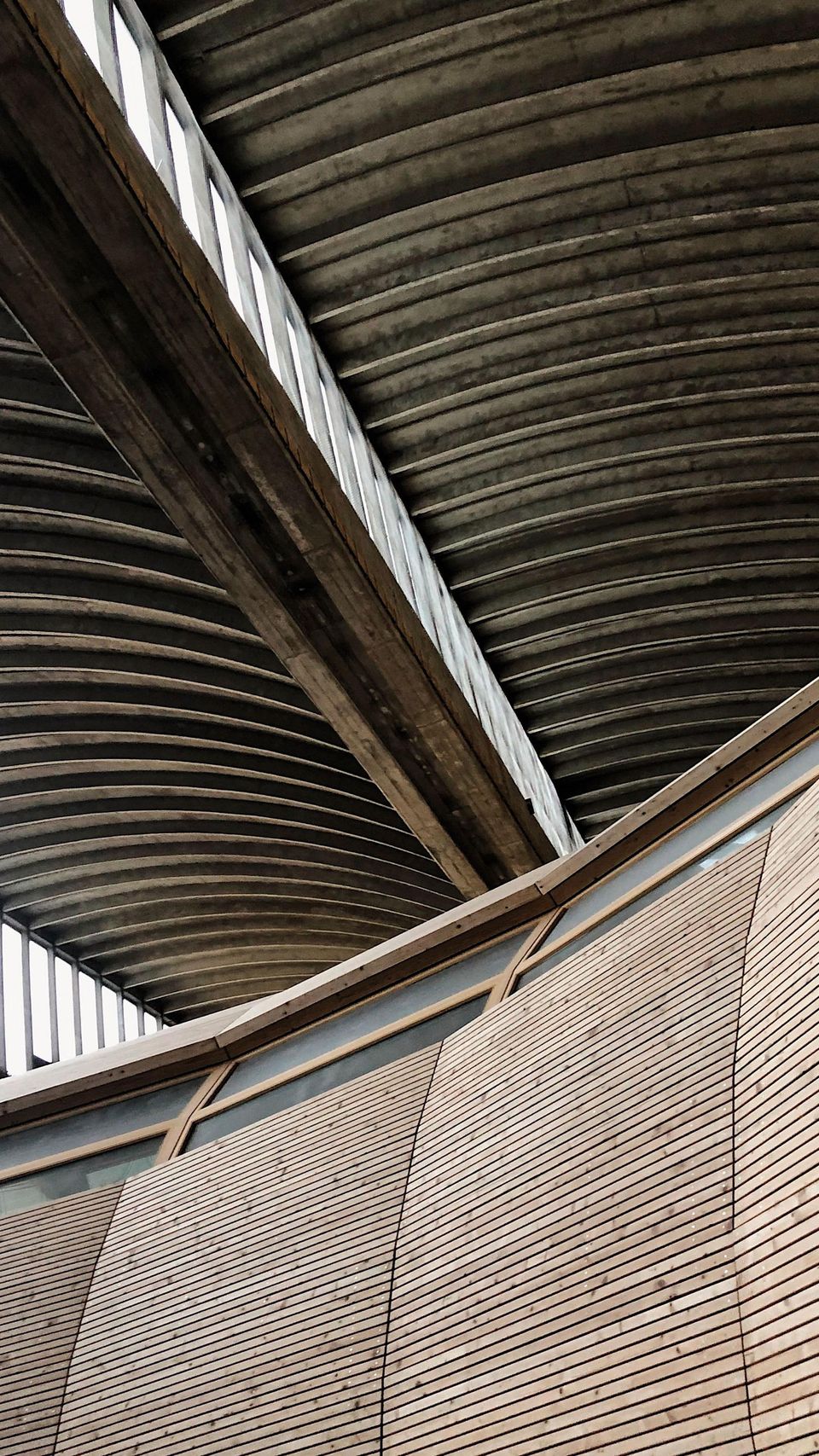
Whether straight beams, inclined elements or curved forms – glued laminated timber offers high flexibility and supports architecturally sophisticated solutions.
Precise & stable
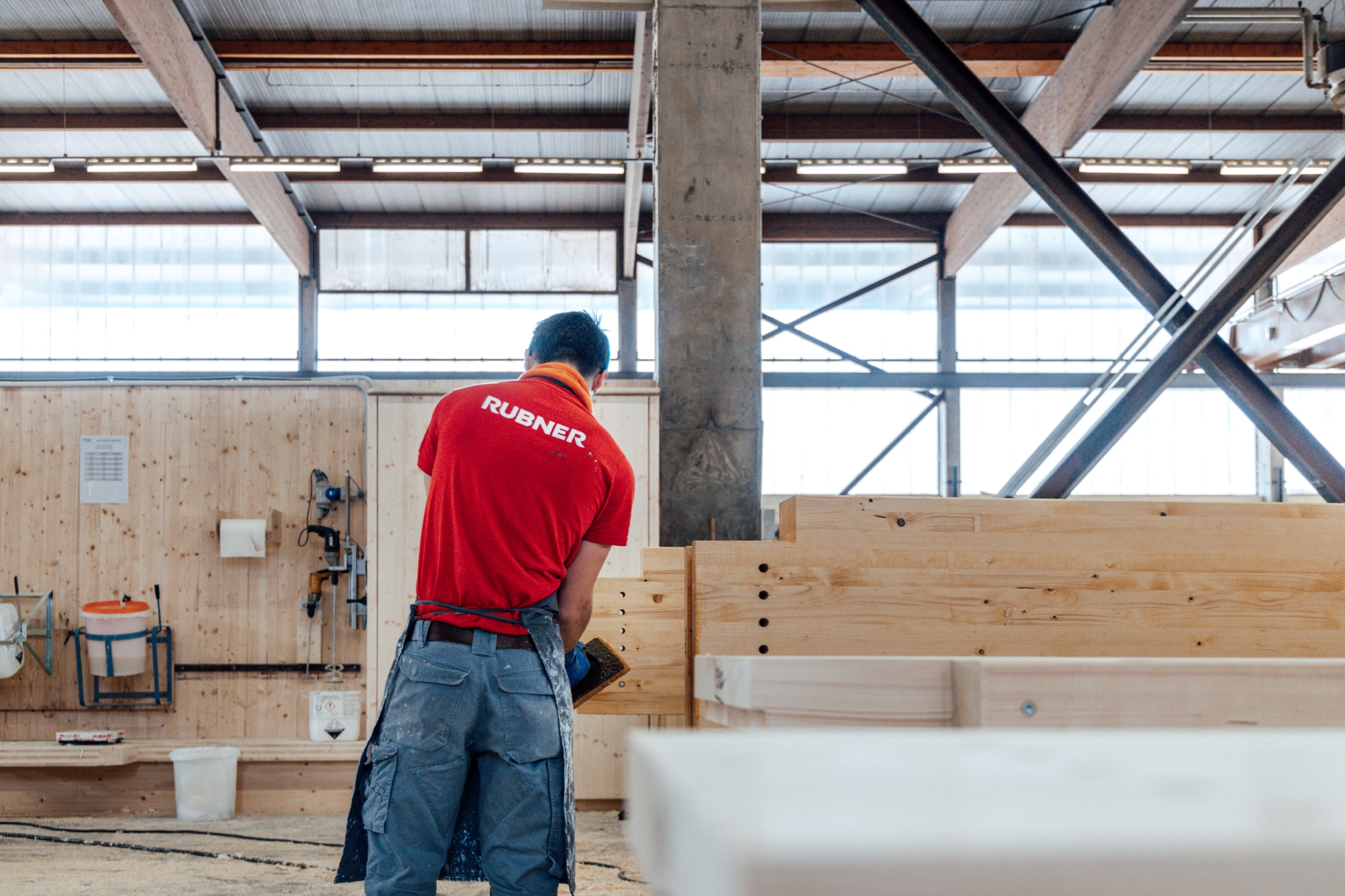
Industrial manufacturing ensures high dimensional accuracy and consistent quality. Even under changing climatic conditions, the material remains dimensionally stable and reliable.
Safety & performance
In addition to its structural advantages, glued laminated timber also impresses with its reliable performance under extreme conditions.
Pleasant indoor climate
As a hygroscopic material, wood regulates humidity and contributes to stable indoor conditions. This creates pleasant and balanced indoor environments, particularly in residential buildings, educational establishments and sports facilities.
Sustainable and certified
Wood is a renewable raw material and stores CO₂ over the long term. Only wood from sustainably managed forests, certified to PEFC standards, is used for glulam.
Predictable fire behaviour
In the event of a fire, a protective char layer forms on the surface, shielding and stabilizing the interior of the structural element. The load-bearing capacity is maintained over a defined period and can be precisely calculated.
Advantages in seismic conditions
Due to its low self-weight, glued laminated timber reduces the forces acting on a structure in the event of an earthquake. Combined with a tailored structural design, this results in safe and high-performance constructions.



Quality and standards
Glued laminated timber combines natural origin with technical precision. It is manufactured in accordance with European standards, in particular EN 14080, which sets out requirements for production, strength classes and quality assurance.
Continuous internal testing and external inspections by independent institutes ensure consistently high quality and reliable material properties.
Glued laminated timber as the basis for modern structural systems
Glued laminated timber represents a construction method that combines efficiency, sustainability and design freedom. As a high-performance material, it forms the basis for structural systems that are both technically impressive and architecturally distinctive.
[KR1]Glued laminated timber combines natural origin with technical precision.